
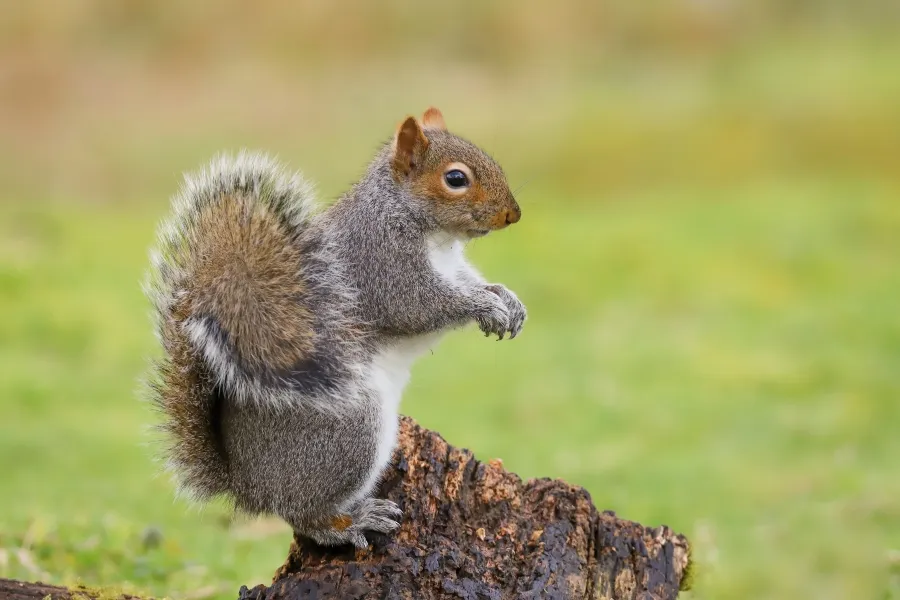
Effective squirrel control requires a multifaceted approach: blocking roof access, removing food sources, and timing structural exclusion correctly. Trim tree branches at least 8 to 10 feet back from your roofline to eliminate their primary leap point onto your home, and secure bird feeders or fallen fruit that attract them to the yard.
If squirrels are already nesting inside your attic, verify that any young kits are mobile before sealing the space—installing a one-way exclusion door or heavy-gauge metal barriers while offspring are trapped inside will only prompt the mother to tear through roofing materials to reach them.
Key Takeaways
- Timing Exclusion: Improperly sealing entry points while young kits are inside prompts mother squirrels to tear up roofing materials to return, creating dead animal odors and secondary pest infestations.
- Structural and Fire Risks: Continuous gnawing on live electrical wiring creates hidden attic fire hazards, while persistent chewing on structural timbers weakens roof support.
- Attic and Vehicle Damage: Saturated attic insulation loses its thermal efficiency and traps bacterial pathogens, while soy-based vehicle wire insulation frequently draws squirrels into engine compartments.
- Humane Exclusion Safety: Wild squirrels defend themselves aggressively with sharp incisors when cornered, making one-way exclusion doors and heavy-gauge metal barriers far safer than physical handling or trapping.
Our Guide to Dealing with Squirrels Safely
It makes a big difference where your squirrel problem is located. Are squirrels digging up your lawn and raiding bird feeders, or have they chewed their way into your attic, soffits, or chimney? Or has an overly bold squirrel made its way into your living space?
They can quickly cause property damage if they chew their way inside. From shredded attic insulation and chewed electrical wiring to serious health risks, a minor squirrel intrusion can escalate into a major home emergency in a hurry.
Always treat wild squirrels with care. While they may look cute, they have extremely sharp teeth, powerful claws, and will defend themselves aggressively if cornered.
Jump to a Section
- What to Do About a Squirrel Problem
- Signs of a Squirrel in Your House
- What Are the Risk Factors of Squirrels?
- Squirrel Prevention Tips
- Nuisance Squirrel FAQs
What Should You Do If You See Squirrels on Your Property?
Squirrels outdoors are mostly a nuisance to landscaping and bird feeders, but their presence near your roofline increases the risk of an attic invasion. If they are congregating around your yard, take these steps to deter them:
- Remove Food Sources: Hang bird feeders away from tree branches, use squirrel-proof baffles, or switch to seed types squirrels dislike (like nyjer or safflower).
- Clear Fallen Nuts and Fruit: Clean up dropped acorns, walnuts, and fallen fruit from trees to remove easy meals.
- Trim Tree Branches: Cut back limbs at least 8 to 10 feet away from your roofline to prevent squirrels from using trees as a bridge to your home.
- Use Deterrents: Motion-activated sprinklers or commercial predator-urine sprays can startle squirrels, though they often adapt to sensory deterrents over time.
- Call a Professional: If squirrels are persistently targeting your home’s exterior or trying to chew entry holes, contact our squirrel control specialists for exclusion solutions.
How Do You Handle Squirrels Nesting in Your Attic or Eaves?
Squirrels love attics because they offer high, warm, and predator-free shelter. However, dealing with a squirrel in the attic requires precise timing.
- Do Not Seal the Entry Hole Immediately: Tree squirrels typically have two breeding seasons per year (late winter/early spring and mid-to-late summer). Southern flying squirrels may breed continuously in warmer southern climates. If you seal a hole while baby squirrels (kits/pups) are inside, the mother will tear up your roof to get back to them, or the babies will starve, creating severe odor and insect issues.
- Inspect the Nesting Area: Listen closely during early morning and late afternoon (or at night if dealing with nocturnal flying squirrels). High-pitched squeaks indicate the presence of newborn kits.
- If You Find Kits, Wait: Wait until the young are mobile enough to leave the nest with their mother on foraging trips (typically 6 to 8 weeks after birth).
- If No Kits, Use Repellent Tactics: Place bright LED lights and a radio tuned to talk stations near the nesting area. You can also place rags soaked in predator scent nearby to prompt them to move.
- Once They Leave, Install Metal Exclusion: Squirrels can chew through wood, vinyl, and soft metals. Cover entry points with heavy-gauge galvanized hardware cloth or sheet metal, securing it tightly. Our experienced rodent and wildlife exclusion experts can also help implement a tailored plan for your property.
- Hire a Wildlife Control Specialist: Trapping and removing squirrels, especially mothers with litters, is best left to professionals to ensure humane handling, legal compliance, and complete structural exclusion.
Common Types of Squirrels You’re Most Likely to Find
Depending on your region, you may encounter several distinct species of tree, ground, and flying squirrels across Virginia, Georgia, Louisiana, Florida, Maryland, and Illinois:
- Eastern Gray Squirrel (Sciurus carolinensis): The most widespread species found across our service area, which includes VA, GA, LA, FL, MD, IL. Highly adaptable and notorious for nesting in attics, eaves, and wall voids.
- Fox Squirrel (Sciurus niger): The largest tree squirrel in North America, prevalent across open woodlands and suburban areas in all six states. Recognizable by its reddish-orange or grayish coat and large bushy tail.
- Southern Flying Squirrel (Glaucomys volans): Common in mature hardwood and pine forests across all six states (VA, GA, LA, FL, MD, IL). Unlike tree squirrels, flying squirrels are strictly nocturnal and frequently enter attics in large communal colonies during winter months.
- Southern Fox Squirrel & Sherman’s Fox Squirrel (Sciurus niger niger / Sciurus niger shermani): Specific subspecies found in Georgia and Florida. Note that Sherman’s fox squirrel is designated as a Species of Special Concern in Florida, making trapping or harassment strictly prohibited without state permits.
- Red Squirrel / Pine Squirrel (Tamiasciurus hudsonicus): Found in northern regions, particularly high elevations in Virginia and northern/central Illinois. Smaller and extremely aggressive chewers known for extensive structural damage.
- Thirteen-Lined Ground Squirrel (Ictidomys tridecemlineatus): Prevalent in grasslands, lawns, and golf courses in Illinois. Digs extensive underground burrows that damage turf, root systems, and foundations.
How Do You Get Rid of a Squirrel Inside Your Home?
If a squirrel accidentally enters your living room, kitchen, or fireplace, it is usually terrified and searching for an escape route.
Isolate the animal into a single room by closing all interior doors. Open any windows or exterior doors leading outside, leave the room, and give the squirrel a quiet path to exit on its own. If the squirrel is trapped in a chimney, drop a thick rope down from the top so it can climb out, or contact a professional to safely extract it.
What Are the Signs of a Squirrel in Your House?
Most tree squirrels are diurnal (active during the daytime), so you’ll most likely hear them while it’s still light outside. However, Southern Flying Squirrels are nocturnal, meaning scampering or scratching sounds heard late at night usually point to a flying squirrel colony.
Keep your eyes and ears open for these common squirrel warning signs:
- Daytime or Nighttime Scampering: Fast scurrying noises overhead in the attic during daylight (gray/fox squirrels) or late at night (flying squirrels).
- Gnaw Marks: Chewed wood trim, fascia boards, soffit vents, roof shingles, or outdoor furniture.
- Shredded Insulation: Piles of torn insulation, cardboard, or leaves gathered in attic corners.
- Entry Hole Damage: Small holes (roughly 2 to 4 inches in diameter; or tiny 1-inch gaps for flying squirrels) chewed through wooden trim, vinyl siding, or aluminum vents.
- Pungent Urine Smell: A strong, sharp ammonia smell lingering near attic access hatches or wall cavities, often very intense with flying squirrel colonies.
- Small Droppings: Dark brown or black oval droppings (about 1/4 to 1/2 inch long) scattered near nesting sites.
- Yard and Garden Damage: Shallow holes dug throughout your lawn, potted plants knocked over, or missing flower bulbs (or subterranean burrows in Illinois ground squirrel zones).
- Visible Dreys: Large, leafy spherical nests (dreys) located high in nearby trees or wedged against your roofline.
Risk Factors - How Concerned Should You Be?
Squirrels may seem harmless compared to larger wildlife, but their physiology makes them uniquely destructive. Because their teeth grow continuously throughout their lives, squirrels must constantly chew on hard materials to wear them down. When they enter a home, this habit poses severe structural and safety hazards.
The full range of squirrel risk factors includes:
- Electrical Fire Hazards: Squirrels frequently chew through rubber casing and live copper wiring inside attics and walls, causing short circuits and high-risk electrical fires.
- Structural Timber Damage: Constant gnawing weakens roof trusses, wooden support beams, wall studs, and fascia boards.
- Roof Leaks and Water Rot: Chewing through lead pipe flashing, rubber roof boots, and wood soffits allows rainwater to seep into ceilings and interior walls.
- HVAC and Ductwork Damage: Squirrels tear apart flexible air ducts to harvest insulation for their nests, reducing HVAC efficiency and spreading dander.
- Parasite Transportation: Squirrels harbor fleas, ticks, mites, and lice that can easily infest your carpets, furniture, and domestic pets.
- Insulation Destruction: Droppings and urine saturate attic insulation, destroying its thermal resistance (R-value) and requiring full insulation replacement.
What Diseases Can Squirrels Transmit?
While squirrels do not commonly carry rabies, they can transmit several other dangerous bacterial, fungal, and viral pathogens to humans and pets through bites, scratches, feces, or ectoparasites:
- Leptospirosis: Bacterial infection spread through contact with urine-contaminated water or surfaces; causes kidney and liver damage.
- Salmonellosis: Intestinal bacteria spread through contact with droppings; causes severe stomach cramps, fever, and vomiting.
- Tularemia: “Rabbit fever” transmitted through bites, scratches, or handling infected carcasses; causes high fevers and painful swollen lymph nodes.
- Typhus: Fleas and lice living on squirrels (especially Southern Flying Squirrels) can transmit murine or epidemic typhus (Rickettsia prowazekii) to humans.
- Ringworm: A fungal skin infection easily transmitted to humans through contact with squirrel fur or nest debris.
Do Squirrels Bite People?
Yes. While squirrels prefer to flee rather than fight, they will bite and scratch fiercely if they are cornered, trapped, hand-fed, or protecting their young. Their long incisors can easily puncture deep into skin, introducing bacteria that lead to serious secondary infections. Never attempt to grab or handle a wild squirrel.
Need a Wildlife Removal Estimate?
What Does a Sick or Aggressive Squirrel Look Like?
It is rare for a squirrel to contract rabies, but they can suffer from neurological illnesses, severe brain parasite infections (such as raccoon roundworm), or infectious viruses. Keep a safe distance if you notice any of these abnormal signs:
- Unprovoked Aggression: Lunging, charging, or chasing people, pets, or objects.
- Loss of Coordination: Staggering, tumbling out of trees, walking in endless circles, or appearing clumsy.
- Extreme Lethargy: Sitting exposed on open ground without reacting to humans or sudden loud noises.
- Visible Lesions or Tumors: Large, dark skin growths covering the body or head (often caused by Squirrel Pox Virus or Fibromatosis).
- Severe Hair Loss: Raw, bleeding, or hairless skin caused by severe mange (Notoedres centrifugus) or heavy parasite infestations.
- Involuntary Twitching: Head tilting, muscle spasms, or erratic seizure-like movements.
Squirrel Prevention Tips
The most effective way to protect your home from squirrels is to make your structure inaccessible and remove nearby food incentives. Here is how you can safeguard your property:
- Keep Branches Trimmed: Maintain a minimum 8 to 10-foot gap between tree branches and your roofline to remove jump points.
- Protect Bird Feeders: Place feeders on poles with smooth metal baffles at least 12 feet away from trees, decks, or fences.
- Cap Chimneys and Vents: Install heavy-duty, stainless-steel chimney caps and replace flimsy plastic gable/soffit covers with metal alternatives.
- Seal Gaps with Heavy-Gauge Wire Mesh: Use 1/4-inch galvanized hardware cloth to cover gaps under eaves, roof intersections, and porch bases. Avoid using expansion foam alone, as squirrels will chew right through it.
- Install Tree Flashing: Wrap the trunks of isolated shade trees near your home with 2-foot-wide bands of smooth aluminum flashing to prevent climbing.
- Clean Up Yard Debris: Regularly rake up dropped acorns, nuts, seed hulls, and rotting fruit beneath backyard trees.
- Protect Garden Beds: Cover flower beds containing fresh bulbs with wire mesh buried just beneath the mulch, or use chicken wire to protect vegetable crops.
- Secure Trash Bins: Use heavy-duty garbage cans equipped with tight-fitting or latching lids to stop opportunistic foraging.
Nuisance Squirrel FAQs
To help property owners address issues with squirrels, our team has put together some common questions and answers based on our extensive industry experience.
Is it legal in VA, GA, LA, FL, MD, IL to trap or remove squirrels by yourself?
Regulations regarding squirrel trapping, removal, and relocation vary significantly across the states we service. Because squirrels are classified as game animals, furbearers, or protected wildlife depending on the state, DIY trapping carries strict legal constraints.
Below is a state-by-state comparison of wildlife regulations governing nuisance squirrels:
| State | Game / Protected Status | Can Homeowners Trap? | Relocation Rules | Special Exceptions & Permits |
|---|---|---|---|---|
| Virginia | Game animal / Furbearer | Yes, on personal property when causing damage. | Illegal to relocate off-property without a permit. Must be released on-site or euthanized humanely. | Non-lethal exclusion does not require a permit. Commercial operators require a Wildlife Drift Permit. |
| Georgia | Game animal | Yes, for gray/fox squirrels causing property damage. | Illegal to release trapped wildlife onto public or private land without written permission from landowner/state. | Southern flying squirrels are protected; commercial trappers must be licensed by GA DNR. |
| Louisiana | Game animal | Yes, on private property during nuisance conflicts. | Restricted. Relocation off-property requires wildlife authority approval; humane euthanasia or on-site release preferred. | Commercial nuisance wildlife control operators (NWCO) must hold LA Dept. of Wildlife & Fisheries permits. |
| Florida | Game / Protected species | Yes, for gray squirrels. No for protected species. | Relocation allowed on contiguous private property (minimum 40 contiguous acres) with written permission; otherwise illegal. | Sherman’s Fox Squirrel is a State Species of Special Concern. Trapping, moving, or harming them is illegal without a FWC permit. |
| Maryland | Game animal | Yes, gray squirrels causing damage on property. | Strictly Prohibited. Relocating wildlife off-property is illegal to prevent disease transmission (e.g., rabies/parvovirus). | Must release on-site or humanely euthanize. Commercial removal requires a MD DNR Wildlife Control Permit. |
| Illinois | Game animal / Protected furbearer | Restricted. Homeowners must follow IDNR wildlife codes. | Illegal to trap and release off-property without an IDNR Animal Removal Permit. | A Class A Wildlife Control Operator license or site-specific IDNR permit is required for trapping/moving furbearers. |
Note: In all jurisdictions, hiring a licensed commercial wildlife control operator ensures compliance with state DNR/FWC regulations and humane handling standards.
What is the proper procedure for safely cleaning and sanitizing an attic contaminated with squirrel urine and droppings?
Never dry-sweep or vacuum squirrel droppings, as this kicks harmful pathogens and dried urine particles into the air.
- Wear PPE: Put on an N95 respirator, rubber gloves, eye protection, and disposable overalls.
- Saturate First: Spray soiled areas and droppings thoroughly with an EPA-registered disinfectant or a fresh bleach solution (1 part household bleach to 9 parts water). Let it soak for 10 to 15 minutes to neutralize bacteria and viruses.
- Remove Waste: Wipe up saturated droppings with paper towels, scoop contaminated materials into heavy-duty plastic bags, seal them tightly, and discard them in outdoor trash bins.
- Replace Insulation: Remove and replace any matted or urine-soaked insulation, as it loses its thermal effectiveness and traps strong pheromone odors that attract future pests.
- Sanitize and Deodorize: Mist all remaining hard surfaces with an enzymatic cleaner to digest animal proteins, eliminate deep-set urine odors, and remove territorial scent markers.
How can you prevent squirrels from chewing engine wires or nesting under the hood of parked vehicles?
Modern vehicle wire insulation often uses soy-based plastics, which squirrels find inexplicably tasty—especially when seeking warm engine bays in winter.
- Apply Capsaicin Tape: Wrap exposed wiring harnesses with rodent-deterrent electrical tape embedded with severe hot pepper extract (available through most auto dealerships or online).
- Use Bitter Deterrents: Spray engine compartment components (avoiding sensitive electronics and hot exhaust manifolds) with bitter apple sprays or commercial rodent repellents.
- Prop the Hood: If parking inside a secure garage isn’t an option, leave the vehicle hood propped open slightly when parked for extended periods. Squirrels dislike bright, exposed, well-ventilated spaces for nesting.
- Move and Drive Regularly: Start and drive the vehicle frequently. Engine heat and movement disrupt nesting attempts before squirrels settle in.
Do ultrasonic pest repellent devices actually work to keep squirrels away from your property?
Short answer: No, not reliably.
While ultrasonic devices emit high-frequency sound waves intended to startle wildlife, squirrels quickly adapt to the noise once they realize it poses no real threat—especially when lured by easy food or shelter. High-frequency sounds also cannot penetrate solid obstacles like attic walls, structural timber, or dense insulation, rendering them useless inside home cavities. Long-term relief relies on physical structural exclusion (like hardware cloth and metal flashing) rather than sound devices.
How can you protect household pets from direct conflicts with squirrels or the parasites they carry?
- Maintain Parasite Preventatives: Ensure dogs and cats are on year-round flea, tick, and worm preventatives, as squirrels frequently drop vector parasites into high-traffic lawn areas.
- Scan the Yard First: Before letting dogs out into the yard, make noise or scan tree lines to give ground-level squirrels a chance to retreat high into trees.
- Eliminate Outdoor Feeding: Feed pets exclusively indoors. Outdoor pet bowls with lingering food attract hungry squirrels directly into your pet’s home territory.
- Deter Fence Running: If your dog compulsively chases squirrels along fence tops, block window views with blinds or install visual barriers along fence lines to minimize territorial anxiety.
Can outdoor water features like birdbaths, hot tubs, or swimming pools attract squirrels to your yard?
Yes. Open water sources are major attractants, particularly during hot summer months or dry spells when natural groundwater is scarce.
Squirrels regularly use birdbaths and fountain basins as drinking stations. Swimming pools and hot tubs present a double threat: squirrels will lean over the edge to drink, but the slippery vinyl or tile walls often cause them to fall in and drown.
To prevent this, keep hot tub and pool covers secured when not in use. If you maintain an open pool or deep water feature, install a floating critter escape ramp (such as a FrogLog) along the edge so animals that fall in can climb out safely.
How Our Wildlife Exclusion Services Work
Dealing with a nuisance squirrel infestation requires specialized equipment, precise timing, and structural expertise to solve permanently. While DIY deterrents can offer temporary relief, complete protection requires a professional, step-by-step exclusion strategy.
Here is how our comprehensive wildlife control process works:
- Comprehensive Property Inspection: Our certified wildlife technicians perform a full interior and exterior assessment of your home, identifying active entry points, hidden structural damage, and potential risk zones along your roofline.
- Active Squirrel Removal: We utilize specialized one-way exclusion doors and passive removal techniques designed to let squirrels exit safely while preventing re-entry, ensuring nesting mothers and offspring are handled humanely and effectively.
- Expert Exclusion: Once all wildlife has safely vacated, we seal all current and vulnerable entry points using heavy-gauge galvanized hardware cloth, custom flashing, and stainless steel caps that squirrels cannot chew through.
Don’t let a minor wildlife intrusion turn into costly structural damage or a fire hazard. Protect your home and restore your peace of mind today.
Ready to resolve your squirrel problem for good? Contact our expert team at Xceptional Wildlife Removal today to schedule your comprehensive wildlife assessment and custom exclusion consultation.


