
Key Takeaways:
- Raccoons in your home or on your property should be treated with caution due to their unpredictable nature and the diseases they can carry.
- Removing raccoon attractants like food and water is the most effective way to prevent them on your property.
- Learning the specific physical and auditory signs of raccoons can help you catch an infestation before damage becomes severe.
- Attempting to handle or trap raccoons yourself creates unnecessary physical and health risks for you and your pets, and may violate state wildlife laws.
Our Guide to Dealing with Raccoons Safely
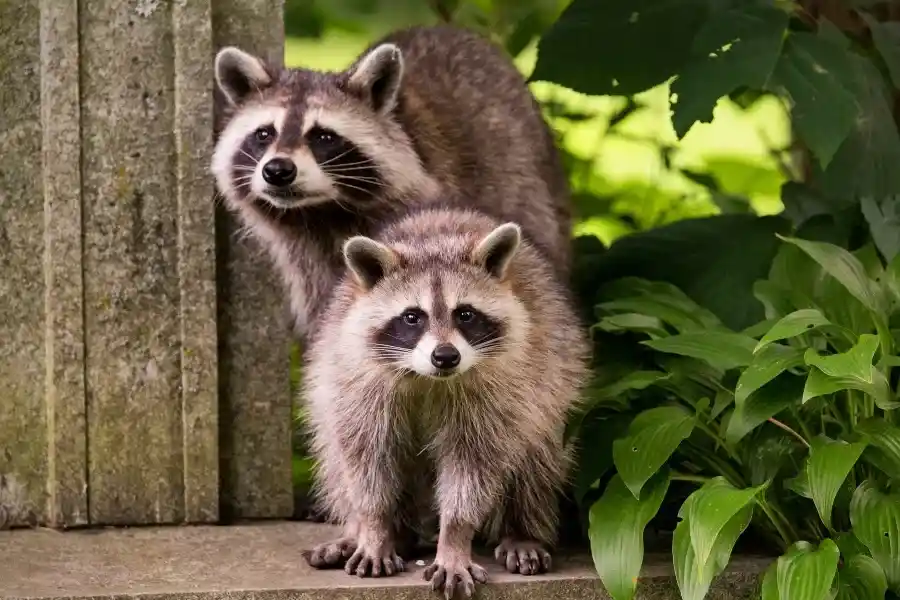
Raccoons are a common type of nuisance wildlife in homes through Xceptional’s service area, which includes Virginia, Georgia, Louisiana, Florida, Maryland, and Illinois. Famous for raiding garbage bins late at night, raccoons have earned their “trash panda” nickname and often leave behind large messes for homeowners to clean up the next morning.
What to Do About a Raccoon Problem
It makes a difference what kind of raccoon problem you have. Do you have raccoons roaming around your property, or have they taken up residence under a deck, patio, or crawl space? Or are there already raccoons inside somewhere in your house?
The most important thing to know is you should treat either situation with caution and care. Never try to get too close or handle the raccoon.
>> Not sure if it’s a raccoon or some other animal? For tips on how to be sure, check out our Raccoon Identification page.
What Should You Do If You See Raccoons on Your Property?
Raccoons up close can be dangerous, so keep your distance. They have sharp claws and teeth and carry a variety of devastating diseases that can be transmitted to humans as well as animals.
You really don’t want them around your property, and if you start noticing their presence, take these steps to deter and prevent future raccoon problems:
- Remove Access to Food: Secure trash cans with bungee cords and bring pet bowls inside.
- Eliminate Access to Water: Empty birdbaths and decorative fountains to remove reliable hydration sources.
- Seal Entry Points: Inspect rooflines and foundations; repair cracks, gaps, and holes. The last thing you want is a raccoon wandering into your house – which they are known to do in search of food, water, or shelter – and getting disoriented and stuck.
- Use Humane Deterrents: You can try methods like motion-activated lights or loud radios to make the area unappealing, but they typically do not have a lasting impact. Raccoons are intelligent animals and quickly become habituated to these types of deterrents.
- Call a Professional: Contact our wildlife removal experts if the raccoon refuses to move along. Our raccoon control experts can safely trap and remove the animal, and help with wildlife exclusion to prevent future problems.
How Do You Handle a Raccoon Living Under Your Patio or Deck?
If you suspect there’s a raccoon living under your patio or deck, the first step is to investigate further and try to understand the scope of the problem. Mainly, you should try to figure out if it’s just one raccoon, or are there baby raccoons (kits)?
- Do Not Seal the Area Immediately: If you seal the area while the raccoon is inside, it will starve to death, leaving you with an entirely different problem. If you seal the area while a mother is out foraging and there are kits inside, they may try to tear up your patio or deck to reach them.
- Inspect the Area: Don’t crawl into the area, but keep a safe distance and look to see what you can tell if there are baby raccoons. If you’re not sure, try a camera with powerful zoom. You can also listen carefully at dawn or dusk. If you hear high-pitched squeaking or chattering, it may indicate the presence of kits.
- If You Find Kits, Wait a Few Weeks: Don’t try to evict the raccoon while the kits are young. Wait until they’re a little bit older and they can follow their mother out.
- If No Kits, You Can Try to Evict the Raccoon: Try to make the space under your patio or deck as unpleasant as possible for them and they may naturally leave. Shine bright lights into their sleeping area, blast music or talk radio to annoy them, or place strong-smelling rags dipped in apple cider vinegar near the entrance. Offending their senses is one way to get them to leave without hurting them.
- Once They’re Gone, Seal the Area: After the raccoons leave, install an exclusion barrier that will prevent them and other animals from returning. Try a heavy-duty wire mesh, as they can chew through other materials. Dig a trench, bury the mesh, and attach it to your patio or deck frame. This will stop them from digging back under.
- Call a Raccoon Removal Expert: DIY raccoon removal can be frustrating and ineffective. A professional raccoon removal expert has experience solving these kinds of problems and can often provide a quicker solution.
How Do You Get Rid of a Raccoon Inside Your Home?
When a raccoon becomes lost or trapped in your home or an out-building like a shed, it’s a potentially dangerous situation that you should deal with as soon as possible. The best course of action is calling a professional raccoon removal specialist.
What Are the Signs of a Raccoon in Your House?
Raccoons often like to nest in attics and other parts of the home with little foot traffic. If you see, hear, or smell something unusual from one of these areas, it should raise your suspicions.
Keep your eyes and ears open for these raccoon warning signs:
- Heavy Thumping: Unlike light rodent scurrying, raccoons sound like a small person walking.
- Vocalizations: Listen for distinct chattering, growling, or high-pitched crying from baby kits.
- Musky Odors: A powerful, “wet dog” scent often permeates walls near their nest.
- Latrine Sites: Raccoons repeatedly use specific spots for large, dog-like piles of feces.
- Entry Damage: Look for torn shingles, bent vents, or ripped soffits on rooflines.
- Pet Agitation: Dogs or cats may obsessively bark at walls or ceiling corners.
- Shredded Materials: Piles of torn insulation or paper indicate they are building nests.
- Hand-like Tracks: Look for five-toed paw prints that resemble tiny, muddy human hands.
- Nocturnal Activity: Noises peak at dusk and dawn when they exit to forage.
Raccoon Risk Factors - How Concerned Should You Be?
Not every raccoon is dangerous or carrying diseases, but it’s impossible to know which ones are, so treat them all that way. Even if they don’t carry any diseases, it’s better to be safe than sorry. These creatures are highly unsanitary in a way that makes them incompatible with human spaces.
The full range of raccoon risk factors include:
- Disease Transmission: Raccoons carry several life-altering diseases which can infect both humans and pets.
- Parasite Infestation: They often bring fleas, ticks, and mites into living spaces.
- Structural Destruction: Powerful claws easily tear through drywall, roofing, and support beams.
- Pet Confrontations: Cornered raccoons become violent, posing physical threats to pets. A wild raccoon can badly injure or even kill a dog or cat.
- Fire Hazards: Raccoons frequently chew through electrical wiring, creating significant fire risks.
- Toxic Latrines: Raccoons create “latrines” where they urinate and defecate. This waste harbors dangerous, airborne parasite eggs. Their feces and urine also saturate insulation, ruining R-values and smelling foul.
- HVAC Damage: Raccoons frequently nest in and destroy expensive flexible air ducting.
What Diseases Can Raccoons Transmit?
The following diseases can be transmitted by raccoons, either by coming in direct contact with one, their urine or feces, or even breathing in airborne pathogens in a confined area where they’ve been nesting.
- Rabies: A fatal viral infection prevalent in raccoons throughout our entire service area (VA, GA, LA, FL, MD, and IL). Raccoons are classified as primary Rabies Vector Species (RVS) or high-risk rabies vectors across these states.
- Raccoon Roundworm: Parasitic eggs in feces; cause neurological damage, especially in children.
- Leptospirosis: Bacteria in urine that causes kidney failure in humans and pets.
- Giardiasis: Waterborne parasite from feces causing severe intestinal distress and vomiting.
- Salmonellosis: Intestinal bacteria spread through waste contact; causes severe food poisoning.
- Tularemia: Bacterial disease caught through bites or touching infected raccoon carcasses.
- Toxoplasmosis: Parasite often found in raccoon waste; high risk for pregnant women.
- Canine Distemper: Viral threat to domestic dogs; highly prevalent in wild raccoons.
- Parvovirus: Resilient virus in droppings that can infect and kill unvaccinated pets.
Do Raccoons Bite People?
Yes, raccoons will bite and scratch if they feel frightened or threatened. However, they typically only feel frightened or threatened when people get too close to them.
Raccoons are not usually aggressive (though they can be when rabid), so keep a safe distance – and never try to handle a raccoon.
What Does a Raccoon with Rabies Look Like?
If a raccoon has rabies, their behavior is much more unpredictable. If you see any of these signs, keep an even greater distance than you normally would, and keep your pets away from the area. Rabies is 100% fatal in humans and animals if allowed to progress.
- Aggressive Behavior: Unprovoked snapping, biting, or lunging at inanimate objects and humans.
- Excessive Salivation or Foaming: Appearance of “foaming at the mouth” due to throat muscle paralysis.
- Disorientation: Staggering, walking in circles, or appearing confused and physically clumsy.
- Daytime Activity: Seeing nocturnal species active and bold during bright daylight hours.
- Partial Paralysis: Dragging hind legs or an inability to move the jaw properly.
- Hydrophobia: An intense, visible fear of water or inability to swallow liquids.
- Abnormal Vocalization: Strange, high-pitched screaming or hoarse noises due to laryngeal spasms.
- Self-Mutilation: Compulsive biting or chewing at their own limbs or tail.
- Lack of Fear: Raccoons can usually be scared easily with loud noises. Look for a lack of fear toward humans, appearing “zombie-like” or sluggish.
Need a Wildlife Removal Estimate?
Raccoon Prevention Tips
The key to raccoon prevention is removing the resources they seek: food, water, and access to safe and comfortable shelter. Here are a few ways to do that:
- Remove Any Potential Food Sources: Consider heavy-duty trash cans with locking lids or lids secured with bungee cords. Be sure to bring food and water bowls indoors before sunset. Look for other potential food sources and remove them if possible.
- Clear Fallen Fruit: Regularly pick up dropped fruit or nuts from backyard trees.
- Install Motion Lights: Set up bright, motion-activated lighting to startle nocturnal visitors. Note that these frequently become ineffective as raccoons become habituated to them.
- Block Crawlspaces: Use heavy-gauge hardware cloth to seal openings under decks/porches. Our experts can help you create a comprehensive wildlife exclusion plan.
- Cap Chimneys: Install spark arrestors or chimney caps to prevent vertical entry.
- Trim Overhangs: Keep tree limbs at least 5 to 10 feet from rooflines.
- Protect Gardens: Use fencing or motion-activated sprinklers to guard edible plants.
- Stop Birdfeeding: Clean up spilled seeds or remove feeders during active infestations.
- Check Vents: Replace plastic vent covers with durable, raccoon-proof metal versions.
State-by-State Trapping & Relocation Laws
Wildlife management regulations vary significantly across the states we service. Because raccoons are primary Rabies Vector Species (RVS), relocating trapped raccoons off-property is strictly prohibited or restricted in most regions to prevent disease transmission.
| State | Classification | DIY Trapping Allowed? | Relocation Rules |
| Florida | Furbearer / Nuisance | Yes (live traps only) | Must be released on-site on same continuous property, or humanely euthanized. Cannot relocate off-property. |
| Georgia | Furbearer | Limited / Permit needed | Off-site relocation is prohibited without a DNR permit; must release on-site or euthanize. |
| Illinois | Protected Furbearer | License/Permit Required | Relocation off-property requires a Nuisance Wildlife Control Permit and landowner permission. |
| Louisiana | Furbearer | Yes (on private land) | Relocation restricted; off-site release on public land prohibited without Wildlife & Fisheries permit. |
| Maryland | Rabies Vector Species | Restricted | Off-site relocation is illegal due to rabies protocols. Must be euthanized or released on-site. |
| Virginia | Rabies Vector Species | Restricted | Off-site relocation is illegal by state law. Must be released on the same continuous property or euthanized. |
Raccoon Problem FAQs
At Xceptional Wildlife Removal, we have years of experience helping homeowners and business owners solve raccoon problems, so we decided to document some of the most common questions we get asked.
If you don’t find your answer below or you’re ready to schedule raccoon removal services, don’t hesitate to contact us today!
Can You Trap a Raccoon Yourself?
We DO NOT recommend trying to handle raccoon removal by yourself. Beyond physical harm and disease risk, self-trapping often violates state wildlife regulations in VA, GA, LA, FL, MD, and IL, where relocating rabies vector species off your property without professional permits is illegal.
What do raccoon nests look like?
A raccoon nest is actually known as a “den.” While they don’t build an intricate structure, they focus on insulation and seclusion. Here’s what you’ll likely see if you come across a raccoon’s den:
- Shredded Insulation: In attics, they rip up fiberglass or cellulose to create bedding.
- Hollowed Cavities: Dens are often tucked into tree hollows, chimneys, or crawl spaces.
- Depressed Center: The material is often matted down into a bowl shape from sleeping.
- Compressed Pathways: You will see “tunnels” or worn-down paths leading through the insulation.
- Greasy Residue: Dark, oily stains from their fur often coat the den’s entrance.
- Multiple Kits: In spring, the den will contain 3–5 small, fuzzy, chattering babies.
- Messy Layout: Unlike tidy nests, raccoon dens look like a pile of trash.
Are there laws about handling or relocating raccoons?
Yes. In Virginia, Maryland, Florida, Georgia, Illinois, and Louisiana, regulations strictly govern raccoon management. In almost all of these states, relocating raccoons to public lands or off your property is illegal to curb rabies and raccoon roundworm. Most states require trapped raccoons to either be released on the same continuous parcel of land or humanely euthanized by a licensed wildlife professional.
When are raccoons most active?
Raccoons are naturally nocturnal, so they’re most common at nighttime. However, sometimes, they are active during the day. Raccoons will modify their behavior to be active when food sources are available and there is less risk.
How do I get rid of the smell after the raccoons are gone?
The strong musky scent and the odor from latrines can linger long after the animals are removed. If there is soiled insulation, it needs to be removed and replaced. Removing the smell may also require the use of industrial-grade enzyme cleaners that break down the organic matter in urine and feces. This is crucial not just for your nose, but to prevent the scent from attracting new raccoons.
Does homeowners insurance cover raccoon damage?
You may have coverage through your insurance provider, but you will need to reach out to them to confirm. Most insurance companies do not cover it because raccoon damage is usually classified as “wear and tear,” which is not covered.
Are there different raccoon species in the U.S.?
Technically, all of the raccoons you’ll encounter in Virginia belong to the same species: the Northern Raccoon (Procyon lotor). However, subspecies vary across our service area:
- Florida Raccoon (Procyon lotor elucus): Common throughout Florida and southern Georgia; often slightly smaller with a reddish neck patch.
- Eastern Raccoon (Procyon lotor lotor): The predominant subspecies in Virginia, Maryland, Illinois, and northern Georgia; larger with dark, dense fur.
- Louisiana Raccoon (Procyon lotor megalodous): Found across southern Louisiana and coastal marshes; adapted to wetland habitats.


