
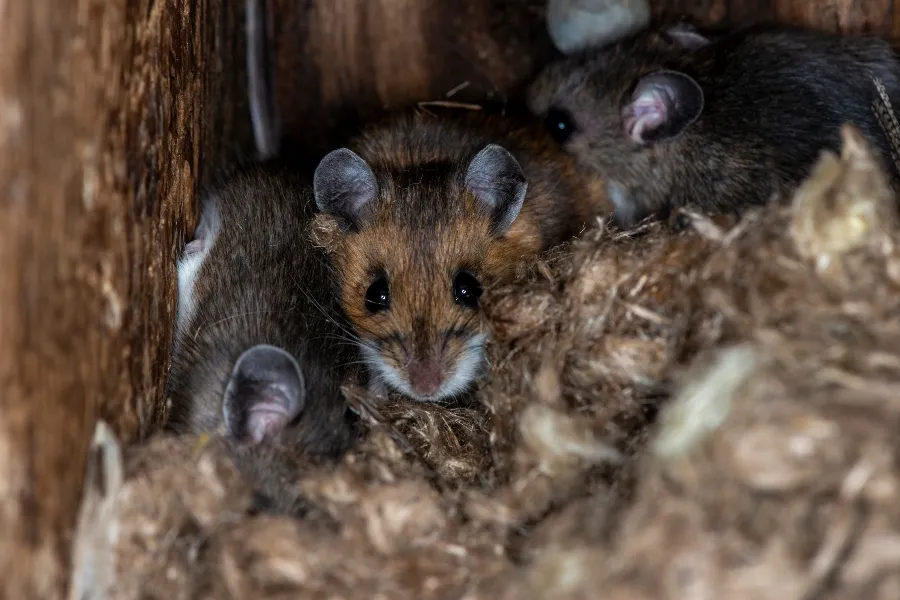
If you spot rats or mice on your property, successful eradication starts with the right strategy. A single sighting often signals an established hidden colony, and missteps—like sealing entry holes too soon—can backfire, trapping pests inside to chew through walls and wiring.
Effective rodent control requires removing the active indoor population, then performing permanent structural exclusion to lock them out for good. For complete protection without the guesswork, professional specialists ensure you get the best long-term results.
Key Takeaways
- Identifying the specific rodent species is a critical first step, as vastly different nesting habits and behaviors dictate the exact elimination strategy required.
- Detecting subtle warning signs early is essential, as rodents often establish massive colonies long before you ever spot one in the open.
- Proper removal requires a strict, strategic order of operations to avoid forcing trapped pests into causing destructive property damage inside your walls.
- Unchecked rodent infestations pose far greater dangers than minor inconvenience, including major electrical fire hazards and dangerous disease transmission.
- Achieving permanent protection relies on combining structural exclusion methods with targeted sanitation practices to render your home completely unappealing and inaccessible.
- Local wildlife laws across Virginia, Georgia, Louisiana, Florida, Maryland, and Illinois strictly regulate rodent relocation, making professional exclusion the safest legal path.
Our Guide to Dealing with Rats and Mice Safely
Rats and mice are among the most persistent and invasive nuisance pests found in home’s across Xceptional’s service area, which includes Virginia, Georgia, Louisiana, Florida, Maryland, and Illinois. While they belong to different rodent families, they are often grouped together because they seek out the same basic human resources: food, water, and warm shelter.
Because they reproduce exponentially and can squeeze through shockingly small gaps, a minor rodent sighting can quickly turn into a full-scale infestation if left unchecked.
Jump to a Section:
- What to Do About a Rat or Mouse Problem
- Signs of Rats or Mice in Your House
- Types of Rats and Mice Common in Homes
- State Wildlife & Trapping Regulations
- What Are the Risk Factors of Rodent Infestations?
- Rat and Mouse Prevention Tips
- Rodent FAQs
What to Do About a Rat or Mouse Problem
It makes a big difference where and how you encounter rodents on your property. Are they scurrying across your yard, nesting in your attic, or running through your kitchen walls? Because rodents breed at alarming rates—a single pair of mice can produce dozens of offspring in just months—acting quickly is essential.
What Should You Do If You See Rats or Mice on Your Property?
Spotting rodents in your garden, yard, or near outdoor structures means your property offers easy food or harbourage. To discourage them from staying or attempting to enter your house:
- Eliminate Outdoor Food: Pick up fallen fruit, remove bird feeders (a top attractant for rats), and secure compost bins.
- Secure Waste: Store outdoor garbage in thick plastic or metal cans with tight-fitting lids.
- Clear Yard Debris: Elevate woodpiles at least 18 inches off the ground and keep brush cleared away from your home’s foundation.
- Avoid Loose DIY Poison: Never throw loose poison bait outdoors without secure bait stations. Pets, native wildlife, or birds of prey can ingest the bait or eat poisoned rodents, leading to tragic secondary poisonings.
- Call a Professional: Outdoor rat burrows and heavy infestations require professional baiting and trapping strategies to eradicate colony hubs safely.
How Do You Handle Rodents Living Under Your Deck, Crawl Space, or Attic?
Sub-floors, crawl spaces, and attics provide perfect, undisturbed shelter for nesting rodents.
- Inspect Entry Points Thoroughly: Walk the perimeter of your home and inspect rooflines. Mice can enter holes 1/4-inch wide; rats need only 1/2-inch.
- Do Not Just Seal Up Entry Holes Immediately: If you trap rodents inside without eliminating them first, they will chew through drywall, wood, or wiring out of desperation to escape—or die inside your walls, creating severe odor problems.
- Set Traps Strategy-First: Place traps along wall paths where they travel (rodents have poor eyesight and stick to edges). Use high-value baits like peanut butter, butter, or bacon grease rather than cheese.
- Perform Exclusion After Trapping: Once active noise and trapping cease, permanently seal all access points using rodent-proof materials like copper mesh, steel wool, and heavy-gauge hardware cloth backed with silicone caulk.
How Do You Get Rid of Rats or Mice Inside Your Home?
If rodents are actively living inside your main living spaces, swift action is required:
- Sanitize Immediately: Wipe down counters, vacuum floor crumbs, and store all pantry foods (including pet food) in airtight glass or heavy-duty plastic containers.
- Eliminate Water Sources: Fix leaking pipes, wipe down sinks at night, and cover pet water bowls overnight.
- Use Snap Traps Correctly: Snap traps are far more humane and effective than glue traps. Place them perpendicular to walls with the bait end facing the wall.
- Avoid Indoor Poison Baits: Rodenticides cause pests to die inside inaccessible wall voids or ceiling bays, resulting in unbearable odors and fly infestations that last for weeks.
- Hire Rodent Removal Specialists: Professional rodent exterminators use comprehensive trapping, structural exclusion, and sanitation techniques to eliminate rodents quickly and prevent them from returning.
What Are the Signs of Rats or Mice in Your House?
Rodents are primarily nocturnal and exceptionally good at hiding. As a result, you’ll often notice signs of rodents long before you see an actual rat or mouse.
Keep your eyes and ears open for these warning signs:
- Droppings: Found near pantry boxes, under sinks, along baseboards, or in attic insulation.
- Gnaw Marks: Chewed corners on food packaging, wooden baseboards, plastic piping, or electrical wiring.
- Scurrying and Scratching Sounds: Patter of tiny feet or scratching noises inside walls, ceilings, or crawl spaces, especially at night.
- Grease Marks (Smudges): Dark, oily rub marks left along baseboards and wall corners where rats run along repetitive paths.
- Nesting Materials: Shredded paper, cardboard, fiberglass insulation, or fabric gathered in hidden, quiet corners.
- Stale Odors: A strong, pungent ammonia smell caused by accumulating urine in enclosed spaces.
- Pet Agitation: Dogs or cats staring intently at specific walls, barking at cabinets, or sniffing baseboards obsessively.
- Tracks and Dust Trails: Tiny paw prints or tail drag-lines visible in dusty areas like basements or attics.
Common Types of Rodents Found in Homes
Telling rats and mice apart is essential because their nesting habits, diets, and behaviors differ significantly. Knowing which rodent you are dealing with dictates the trapping strategy and exclusion techniques needed to resolve the problem.
1. House Mouse (Mus musculus)
- Appearance: Small bodies (2 to 4 inches long) with light brown to dusty gray fur, large ears, and long, thin, hairy tails.
- Habits: Incredibly curious and bold. They tend to nest near food sources inside homes, using shredded insulation, paper, or fabric. Widespread in all residential and urban areas.
2. Deer Mouse (Peromyscus maniculatus) & White-Footed Mouse (Peromyscus leucopus)
- Appearance: Bicolored with a brownish-red or tawny top, a distinct stark-white belly, and white feet.
- Habits: Common in suburban, rural, and wooded regions across Virginia, Maryland, Illinois, Georgia, Louisiana, and Florida. They frequently invade homes, sheds, and attics in autumn. They are primary vectors for Hantavirus and host Lyme-disease-carrying ticks.
3. Norway Rat (Rattus norvegicus)
- Appearance: Large, heavy-set bodies (7 to 10 inches long) with coarse brown or grayish fur, small ears, and a tail shorter than their body. Also known as brown rats or sewer rats.
- Habits: Cautious and timid (neophobic). Exceptional burrowers that nest in lower levels of buildings, crawl spaces, basements, or outdoor burrows along foundations. Prevalent in all urban and suburban districts.
4. Roof Rat (Rattus rattus)
- Appearance: Sleek and slender bodies (6 to 8 inches long) with dark black/brown fur, large ears, pointed snouts, and a long tail that exceeds their body length.
- Habits: Exceptional climbers dominant in warm, coastal, and Southern environments (Florida, Georgia, Louisiana, Maryland, Virginia, and port districts in Illinois). They prefer high places like attics, rooflines, soffits, and trees.
5. Marsh Rice Rat (Oryzomys palustris)
- Appearance: Medium-sized (5 to 6 inches long) with grayish-brown fur, silvery underside, and a long, semi-scaly tail.
- Habits: Common in coastal, marsh, and wetland areas across Florida, Georgia, Louisiana, Maryland, and Virginia. Frequently invades coastal properties, crawl spaces, and outdoor storage structures near water sources.
Identification Tip: Mouse droppings are tiny with pointed ends (like grains of rice), while rat droppings are much larger with blunt ends (resembling small dark capsules or watermelon seeds).
State Wildlife & Trapping Regulations
Trapping and releasing wildlife or nuisance rodents is subject to state-specific conservation and public health laws across our service territories.
Need a Wildlife Removal Estimate?
| State | Relocation & Wildlife Trapping Laws | Key Consideration for Homeowners |
|---|---|---|
| Virginia | Live release of captured wild rodents onto public land or private property without written permission is prohibited by Virginia DWR. | Trapping must focus on lethal snap traps indoors or immediate professional exclusion. |
| Georgia | Georgia DNR regulates nuisance wildlife. Releasing trapped wild rodents on state land is illegal without permits. | Translocation is restricted to prevent spreading diseases like Leptospirosis. |
| Louisiana | Louisiana Wildlife and Fisheries (LDWF) prohibits unpermitted release of trapped nuisance animals on public property. | Professional lethal removal and structural sealing are required. |
| Florida | Florida Fish and Wildlife (FWC) strictly controls non-native rodent trapping and release to protect native ecosystems. | Release of invasive species (like Norway or Roof rats) is illegal; exclusion is key. |
| Maryland | Maryland DNR restricts live-trapping and relocating wild rodents off-site to mitigate rabies and Hantavirus risks. | Relocation off-property is restricted; on-site trapping and exclusion are standard. |
| Illinois | Illinois Wildlife Code requires permits to trap or relocate protected wild species; pest rodents must be humanely managed on-site. | Catch-and-release off-site is regulated; sealing entry points is mandatory. |
Rodent Risk Factors - How Concerned Should You Be?
Rodents are far more than an uncomfortable nuisance—they pose severe health, safety, and financial risks to homeowners. Because rodents must constantly chew to grind down their continuously growing incisors, they leave a wake of destruction wherever they travel.
The full range of rodent risk factors includes:
- Electrical Fire Hazards: Rodents frequently chew through electrical wiring inside walls and attics, stripping insulation and creating dangerous short circuits that cause house fires.
- Structural and Property Destruction: Powerful jaws can chew through drywall, sheetrock, PVC plumbing pipes (causing hidden leaks), wood framing, and HVAC ducting.
- Insulation Contamination: Rodents trample, shred, and saturate attic and crawl space insulation with waste, destroying its R-value and requiring costly remediation.
- Food Contamination: A single rodent can contaminate up to 10 times more food than it actually eats through urine, feces, and hair.
- Parasite Introduction: Rodents harbor external parasites including fleas, ticks (which transmit Lyme disease), mites, and lice, bringing them directly into your living quarters.
What Diseases Can Rats and Mice Transmit?
Rodents transmit numerous infectious diseases globally. Transmission occurs through direct contact, handling dead carcasses, consuming contaminated food or water, or inhaling airborne pathogens from dried waste in unventilated areas.
- Hantavirus Pulmonary Syndrome (HPS): A severe, potentially fatal respiratory disease spread primarily by breathing in dust contaminated with deer mouse or white-footed mouse droppings or urine.
- Leptospirosis: Bacterial infection transmitted through water or food contaminated with infected rodent urine; highly prevalent in warm, humid regions (e.g., Louisiana, Florida, Georgia).
- Lyme Disease & Tick-Borne Pathogens: Transmitted via blacklegged ticks carried into homes and yards by white-footed mice and deer mice (common in Maryland, Virginia, Illinois, and Georgia).
- Salmonellosis: Food poisoning caused by eating food or drinking water contaminated with rodent feces.
- Rat-Bite Fever (RBF): Bacterial illness transmitted via rodent bites, scratches, or ingestion of contaminated food.
- Lymphocytic Choriomeningitis (LCMV): A viral infection spread by house mice that can cause neurological issues or birth defects if contracted during pregnancy.
- Plague and Murine Typhus: Transmitted to humans through the bites of infected fleas carried into the home by wild rats.
Do Rats and Mice Bite People?
While rodents generally prefer to run away and hide, they will bite or scratch if cornered, handled, or accidentally stepped on. Rodent bites carry a high risk of bacterial infection and require immediate medical attention and thorough cleaning.
Rat and Mouse Prevention Tips
The most effective way to solve a rodent problem is to make your home completely uninviting and inaccessible to them. Combine rodent exclusion with proper sanitation for the best long-term protection:
- Seal All Entry Points: Inspect your foundation, siding, roofline, utility penetrations, and garage doors. Fill small gaps with copper mesh or steel wool and seal with high-grade silicone caulk.
- Install Weather Stripping: Ensure exterior doors seal tightly against the floor; add durable door sweeps to eliminate gaps at base thresholds.
- Store Food in Hard Containers: Move grains, cereals, pet food, and snacks out of cardboard boxes and plastic bags into glass, metal, or heavy-duty plastic latching containers.
- Manage Pet Food: Feed pets at scheduled times and remove remaining food bowls immediately afterward. Never leave pet food out overnight.
- Fix Water Leaks: Repair dripping outdoor faucets, indoor pipe leaks, and clogged gutters that provide easy drinking water.
- Maintain the Perimeter: Keep grass trimmed short, clear heavy groundcover away from the foundation, and maintain a 12-to-18-inch gravel perimeter around the house.
- Trim Overhead Branches: Prune tree branches back at least 6 feet from your roofline to block climbing roof rats from accessing your attic.
- Screen Vents and Chimneys: Install heavy-gauge wire mesh screens over foundation vents, soffit openings, and chimney caps.
- Call a Professional Rodent Exclusion Expert: Because complete exclusion requires finding every millimeter-wide gap, many homeowners prefer having professional rodent exclusion experts inspect and seal the perimeter for long-term peace of mind.
FAQs About Rodents in Homes
Rodent control and exclusion is a nuanced topic; getting it right requires many variables. To help homeowners and businesses in Virginia get the best possible results, our team has compiled these rodent control FAQs based on our extensive experience.
Please call or email us if you’re looking for professional rat or mouse extermination or exclusion – or you have a question that’s not answered here!
What is the proper, safe protocol for cleaning up rodent droppings and urine without risking disease inhalation?
Crucial Warning: Never sweep or vacuum dry rodent droppings or urine. Sweeping kicks infectious particles into the air, creating a severe inhalation risk for dangerous airborne pathogens like Hantavirus.
- Ventilate the Area: Open doors and windows for at least 20 minutes before cleaning to allow fresh air to circulate.
- Gear Up: Wear rubber, latex, or nitrile gloves. If working in an enclosed or dusty space (like an attic or crawl space), wear an N95 dust mask.
- Soak, Don’t Sweep: Thoroughly spray droppings and urine with a commercial disinfectant or a freshly mixed 1:10 household bleach solution (1 part bleach to 9 parts water). Let it sit for 5 minutes to neutralize viruses and bacteria.
- Wipe Up: Pick up the saturated droppings using paper towels, then wipe down surrounding surfaces with disinfectant.
- Dispose Safely: Place soiled towels, gloves, and debris into a plastic bag, seal it tightly, double-bag it, and throw it into an outdoor trash bin.
- Clean Up: Wash your hands thoroughly with soap and warm water immediately after taking off your gloves.
How do you safely dispose of a dead rodent caught in a snap trap?
- Protect Your Hands: Put on disposable rubber or nitrile gloves before touching the trap or rodent.
- Disinfect First: Lightly spray the dead rodent and the surrounding area with a disinfectant spray to minimize pathogens and parasites (like fleas or mites) jumping off the host.
- Use the Inverted Bag Technique: Place a plastic trash bag over your hand like a glove, grasp the dead rodent (or the entire trap if it is disposable), turn the bag inside out over it, and seal it tightly.
- Double-Bag and Discard: Place the sealed bag inside a second trash bag, tie it off, and throw it into an outdoor covered trash receptacle immediately.
- Clean or Discard the Trap: If re-using a heavy-duty wooden or plastic trap, scrub it outdoors with warm soapy water and disinfectant before resetting it. Wash your hands thoroughly when finished.
At what specific point does a rodent issue cross the line from a DIY-manageable problem to requiring professional intervention?
While setting a couple of snap traps for an isolated mouse can work, you should call in professional exterminators when you encounter any of these red flags:
- Daytime Sightings: Rodents are naturally nocturnal. Seeing them out during daylight hours usually means the nest is severely overcrowded and the infestation is widespread.
- Rats vs. Mice: Rats are significantly larger, far more cautious (neophobic), and exponentially harder to eliminate using basic off-the-shelf DIY traps.
- Activity Across Multiple Rooms: Widespread scratching noises, chew marks, or droppings found across several rooms, attics, or crawl spaces point to an established colony.
- Trapping Stalls: If you have set traps correctly for 5 to 7 days and continue to hear activity or find fresh droppings without catching anything, the rodents have adapted to your strategy.
- Chewed Utility Infrastructure: Evidence of gnawed electrical wiring, chewed PVC plumbing pipes, or damaged HVAC ductwork requires immediate professional exclusion to prevent fire or water hazards.
How do seasonal shifts (such as late autumn cold snaps or summer heat waves) change rodent behavior and entry risk?
Seasonal changes drive rodents indoors across all six states:
- Autumn Cold Snaps (Northern/Midwest & Transition States like IL, MD, VA): As temperatures plummet in late autumn, outdoor food sources dry up, forcing rodents like Norway rats and deer mice to seek warmth, shelter, and food inside attics, basements, and walls.
- Summer Heat & Heavy Rain (Southern/Gulf Coast States like FL, GA, LA): Extreme summer heat, humidity, and rainy seasons compel roof rats and rice rats to enter air-conditioned buildings and elevated attics in search of cooler shelter and dry nesting sites.
- Peak Nesting Periods: Rodents will actively test your home’s perimeter for gaps during seasonal shifts. Performing structural exclusion and sealing entry points before seasonal extremes hit is key to stopping them.
What should you do immediately if your pet catches, eats, or brings a wild rodent into the home?
- Safely Retrieve the Rodent: Put on gloves or use a heavy towel to take the rodent away from your pet immediately to prevent swallowing.
- Beware of Secondary Poisoning: If the wild rodent previously ate rodenticide (poison bait) placed by a neighbor or commercial service, your pet can suffer secondary poisoning by consuming that rodent.
- Clean Your Pet: Gently wipe down your pet’s mouth, whiskers, and paws with a pet-safe damp cloth or damp paper towel.
- Monitor for Symptoms: Watch your pet closely over the next 24 to 72 hours for signs of illness or secondary poisoning, including lethargy or weakness, loss of appetite or vomiting, pale, white, or bleeding gums, unexplained bruising, or blood in urine/stool.
- Contact Your Vet: If you suspect the rodent was poisoned or if your pet displays any unusual symptoms, contact your veterinarian or an animal poison control center right away.
Do live traps work for rodents?
While live traps (catch-and-release traps) can capture rodents, they are generally inefficient and risky for managing active infestations for several key reasons:
- High Re-entry Risk: Rodents have an exceptional home range and navigational memory. Unless relocated several miles away from your home, mice and rats will easily find their way back to your property.
- Relocation Mortality and Stress: Releasing a captured rodent into an unfamiliar territory often results in its death due to lack of known shelter, starvation, or aggression from established resident colonies.
- Health and Handling Hazards: Transporting a live, panicked rodent exposes you to direct bites, scratches, and parasites (fleas, ticks, mites) fleeing the host. Additionally, urine released by a stressed rodent in your vehicle or container can aerosolize pathogens like Hantavirus.
- Neophobia (Fear of New Objects): Rats are inherently cautious of new objects introduced to their environment. Large, boxy live traps are far more suspicious to a rat than small, low-profile snap traps set along established travel paths.
- Legal and Municipal Restrictions: In many states (including IL, VA, GA, LA, FL, and MD), releasing captured wild rodents onto public land, state parks, or private property without explicit authorization is restricted or illegal under local wildlife protection codes.
For active infestations, quick-kill snap traps or professional exclusion methods are significantly safer, more humane, and far more effective at resolving the problem.
Protect Your Home with Professional Rodent Control by Xceptional Wildlife Removal
Resolving a rodent infestation often requires professional rodent control to ensure pests are completely eliminated and cannot return. Our proven rodent control process includes:
- Comprehensive Property Inspection: We inspect your foundation, roofline, crawl spaces, and utility penetrations to identify active nesting sites, rodent species, and every hidden entry point.
- Targeted Eradication & Traps: Using strategic, non-poisonous trapping protocols placed along high-traffic travel corridors, we quickly eliminate the active population inside your home.
- Full Structural Exclusion: We seal all access points using permanent, rodent-proof materials like copper mesh, heavy-gauge hardware cloth, and industrial sealants to block future entry.
- Sanitation & Attic Restoration: We safely clean, sanitize, and decontaminate affected areas to eliminate dangerous pathogens, urine odors, and pheromone trails that attract new pests.
Don’t wait for a minor mouse problem to turn into a destructive, hazardous infestation. Contact Xceptional Wildlife Removal today to schedule a comprehensive rodent inspection in your home and secure long-term peace of mind! We provide rodent services throughout our service area in Virginia, Georgia, Louisiana, Florida, Maryland, and Illinois.


