
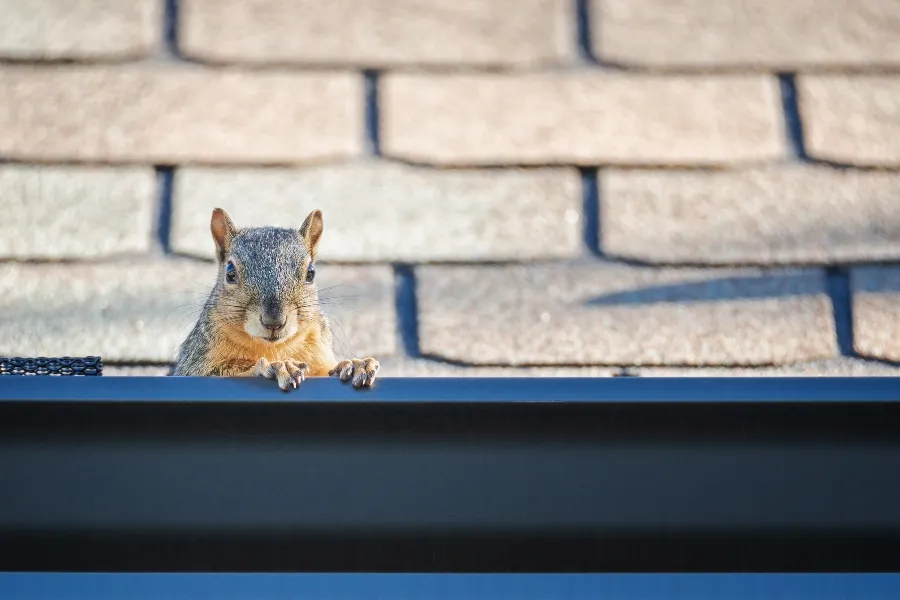
Unexplained noises in the night, subtle foul odors, or mysterious marks on your ceiling often point to an unwanted wildlife visitor inside your home. Wildlife intrusions in attics and wall cavities cause significant stress for homeowners, threatening structural damage, fire hazards from chewed wiring, and serious health risks from contaminated insulation.
Key Takeaways:
- Unexplained noises, odors, and ceiling marks are key indicators of an unwanted wildlife presence inside a home’s walls or attic.
- Matching the sound, timing, and location of the activity allows homeowners in Virginia, Georgia, Louisiana, Florida, Maryland, and Illinois to identify the specific animal species invading the space.
- Structural damage, electrical fires, and serious disease transmission represent the primary hazards of unaddressed wildlife infestations.
- Sealing entry points prematurely or using poisons can trap animals inside wall cavities, creating severe structural and health issues.
- Long-term protection requires a combination of humane exclusion techniques, heavy-duty repair materials, and thorough biohazard sanitation.
The first steps are determining where exactly the wildlife is located – and what species you’re dealing with.
Jump to a Section:
- Walls vs Attic: Locating the Wildlife
- Diagnostic Checklist: Identifying the Wildlife Species
- Spotting Evidence: Exterior and Interior Structural Inspection
- What Are the Immediate Safety Hazards and Risks?
- Step-by-Step Action Plan: What to Do (and What NOT to Do)
- Professional Wildlife Removal vs. DIY Solutions
- FAQs About Wildlife in Walls and Attics
- Schedule a Professional Inspection Today
Walls vs. Attic: Locating the Wildlife
Pinpointing whether an animal is residing inside your wall cavities or up in the attic void is critical for targeted inspection and exclusion. While some species move between both spaces, distinct acoustic patterns reveal where the primary nest or travel route is located.
| Diagnostic Factor | Wall Cavity Presence | Attic Void Presence |
|---|---|---|
| Primary Sounds | Vertical scratching, downward sliding, localized tapping behind drywall | Overhead thumping, horizontal scurrying, heavy dragging across ceiling joists |
| Sound Location | Eye-level or near baseboards; fixed within a specific wall stud bay | Spread across large ceiling areas, corners, or soffit edges |
| Target Species | Mice, rats, bats, trapped juvenile squirrels, or raccoons | Adult raccoons, tree squirrels, flying squirrels, birds, bats, or opossums |
Confirming Wall Cavity Activity
Animals enter walls by falling from the attic through unsealed top plates or by gnawing entry holes through exterior siding near the foundation or rim joists.
- Vertical Acoustic Tracking: Scritching or scratching that travels straight up and down indicates an animal navigating between wall studs.
- The “Trapped” Sound Profile: Frantic, persistent scratching at the exact same lower-wall spot accompanied by thumping often means a young squirrel or raccoon has fallen down an interior cavity and cannot climb out.
Confirming Attic Void Activity
Attics offer open horizontal space, shelter, and soft insulation material, making them the primary choice for nesting wildlife across our service area.
- Horizontal Movement: Sounds that drift across the ceiling—from one side of a room to another—confirm attic presence. Heavy, deliberate steps signal a raccoon, while rapid scampering points to squirrels or rodents.
- Perimeter Activity: Movement concentrated along the perimeter where roof rafters meet the top wall plates signals entry near eaves and soffits.
Diagnostic Checklist: Identifying the Wildlife Species
Different species leave distinct behavioral signatures. Use the comparison table below to match your specific symptoms with the most common culprits found in residential structures across our service regions (VA, GA, LA, FL, MD, IL).
| Wildlife Species | Active Time | Primary Sounds | Species-Specific Evidence and Odors | Common Home Locations | Service Region Notes |
|---|---|---|---|---|---|
| Raccoons | Night (Nocturnal) | Heavy thumping, loud dragging, vocal chattering, or crying young | Grapefruit-sized entry holes, heavy musky odor, large dog-like droppings | Attic floors, chimney flues, main roof voids | High prevalence across all 6 service states; major rabies vector species in VA, GA, LA, FL, MD. |
| Mice and Rats | Night (Nocturnal) | Light pitter-patter, squeaking, persistent light gnawing in walls | Dark 1/4″ to 3/4″ pellet droppings, dark grease rub marks along baseboards, pungent ammonia smell | Inside wall studs, ceiling voids, crawlspaces, attics | Roof Rats are highly prevalent in warm coastal regions (FL, LA, GA); Norway Rats dominate urban areas (IL, MD). |
| Bats | Dusk and Dawn | Faint rustling inside walls, light fluttering near ceiling lines | Guano (crumbly, glittery droppings) near entry points, dark oily fur stains around 1/2″ gaps | High attic peaks, gable vents, narrow wall cavities | Evening Bats/Brazilian Free-tailed in South (FL, LA, GA); Big/Little Brown Bats in North (IL, MD, VA). Strict seasonal protection rules apply. |
| Birds | Day (Diurnal) | Chirping, frantic fluttering, scratching near openings | Twigs, grass, or straw protruding from vents, strong droppings smell, visible exterior nesting | Bathroom/dryer exhaust vents, soffits, eaves | Protected under the federal Migratory Bird Treaty Act. Common culprits: Sparrows, Starlings, Pigeons. |
| Tree Squirrels | Day (Diurnal) | Rapid scampering, scratching, sharp gnawing sounds, jumping | Chewed fascia/soffits, scattered pinecone or nut debris, gnawed nuts | Upper attics, roof soffits, eaves, interior wall tops | Eastern Gray Squirrels widespread in all states; Fox Squirrels common in GA, LA, FL, IL; Southern Flying Squirrels in VA, MD. |
| Flying Squirrels | Night (Nocturnal) | Gliding thumps, rapid nocturnal scurrying, energetic communal movement | Small entry holes high on roofline, concentrated latrine areas in insulation with intense ammonia odor | High attics, deep wall cavities, insulation layers | Highly communal (10–20+ per attic) during fall/winter across VA, GA, LA, MD, and parts of IL. |
| Opossums | Night (Nocturnal) | Slow heavy shuffling, faint hiss or growl | Large, foul-smelling droppings, torn insulation at low entry points | Low attics, crawlspaces, wall voids | Extremely common throughout FL, GA, LA, VA, MD, and IL. |
| Snakes | Day or Night (Temp Dependent) | Dry slithering or faint rustling behind drywall and insulation | Shed snake skins, musky defense odors, absence of active rodent sounds | Deep wall cavities, lower stud bays, crawlspaces, basements | Frequent in southern humid climates (FL, LA, GA); seasonal in VA, MD, IL. Often present following rodents. |
Spotting Evidence: Exterior and Interior Structural Inspection
While acoustic patterns indicate where an animal is moving, a physical inspection confirms how they entered and the extent of the infestation. Look for these overarching structural indicators alongside the species-specific signs noted in the diagnostic table above:
Exterior Entry Points
- Roofline and Fascia Vulnerabilities: Lifted roof shingles, bent aluminum fascia, crushed soffit panels, or freshly chewed wood grain around gable and ridge vents.
- Exhaust and Utility Intrusion: Damaged, missing, or broken slats on exterior bathroom, kitchen, or dryer exhaust vents.
- Fur and Rub Marks: Dark, oily smudge marks left along exterior siding or roof edges where animals squeeze through tight gaps.
Interior and Structural Damage
- Insulation Disruption: Deep tunnels carved through blown-in insulation, flattened “nesting bowls,” or shredded fiberglass batts pulled from joists.
- Chewed Utilities and Framing: Gnawed timber framing, shredded cardboard or paper, chewed PVC drain pipes, or stripped insulation on electrical wiring.
- Moisture and Thermal Anomalies: Dark ringed urine stains bleeding through ceiling drywall, localized warm spots on interior paint (detectable by touch or thermal imaging), or cold spots caused by displaced attic insulation (thermal bridging).
What Are the Immediate Safety Hazards and Risks?
Ignoring an animal inside wall cavities or the attic can turn a localized issue into an expensive disaster for Virginia homeowners.
- Fire Hazards: Rodents and squirrels must constantly wear down their continuously growing teeth. They routinely chew through residential electrical wiring, exposing live conductors that can ignite surrounding wood and insulation.
- Health and Pathogen Risks: Accumulated droppings and urine host airborne pathogens such as Hantavirus, Histoplasmosis (from bat guano and bird droppings, especially prevalent in humid southern climates and the Mississippi/Ohio River Valleys), Leptospirosis, and Salmonellosis. Raccoons also carry Baylisascaris procyonis (raccoon roundworm), which presents serious health risks through eggs passed in latrines.
- Ectoparasites: Wild animals carry fleas, ticks, mites, and bat bugs that can quickly migrate into your living space and infest furniture or carpets.
- Structural Damage: Heavy animals like raccoons and opossums compress attic insulation—drastically reducing your home’s energy efficiency—and can break through interior drywall into living areas.
Need a Wildlife Removal Estimate?
Step-by-Step Action Plan: What to Do (and What NOT to Do)
Taking the wrong steps can trap animals inside your walls, leading to costly structural damage or severe odor issues from decaying carcasses.
Immediate Action Steps
- Document Activity: Write down the exact times of day you hear noises, the relative weight of the sound, and the specific rooms directly below the activity.
- Conduct a Ground-Level Inspection: Walk around your home’s exterior with binoculars. Look for gaps where siding meets the roofline, loose vent covers, or missing chimney caps.
- Check the Attic Access (Safely): Shine a powerful flashlight into the attic space from the access hatch without entering completely. Look for bright daylight showing through roof gaps or visible structural damage.
Crucial Mistakes to Avoid
- DO NOT Seal Entry Holes Immediately: Sealing an entry hole without verifying the space is empty often traps animals inside. Trapped animals will either chew through your home’s interior drywall to escape or die inside wall cavities, causing severe odors and pest outbreaks.
- DO NOT Use DIY Poisons in Walls or Attics: Poisoned animals rarely die in accessible areas. They retreat deep into interior wall cavities or under heavy floorboards, resulting in an unmanageable odor that persists for weeks.
- DO NOT Approach Wildlife or Mothers with Litter: Raccoons, opossums, and squirrels fiercely protect their offspring. Disturbing a nest increases the risk of bites, scratches, and disease exposure (including Rabies).
- DO NOT Take Action Without Understanding Wildlife Protection Laws: Many wildlife species (such as bats, migratory birds, and specific local game animals) are protected under federal, state, and municipal regulations. Excluding or harming protected species during restricted windows—such as bat maternity season—can result in severe legal fines related to illegal trapping of flightless young.
Professional Wildlife Removal vs. DIY Solutions
Resolving a wildlife problem requires a permanent solution that addresses removal, cleanup, and structural reinforcement. For best results, Xceptional Wildlife Removal recommends working with a professional rodent and wildlife exclusion specialist in Virginia, Georgia, Louisiana, Florida, Maryland, and Illinois.
| Consideration | DIY Approach | Professional Exclusion and Removal (Xceptional Wildlife Removal) |
|---|---|---|
| Initial Cost | Lower upfront cost (traps, sealants) | Moderate upfront service investment |
| Safety and Risk | High risk of animal bites, ladder falls, and pathogen exposure | Zero personal exposure; trained safety protocols and PPE |
| Completeness | High risk of leaving babies behind or trapping animals inside | Complete inspection, juvenile retrieval, and humane eviction |
| Long-Term Protection | Temporary patches often chewed through again quickly | Heavy-gauge steel repairs, one-way door systems, and full exclusion |
| Cleanup and Sanitation | Difficult to safely decontaminate biohazards | Specialized HEPA filtration, insulation restoration, and odor neutralization |
| Guarantees | No warranty on self-performed work | Multi-year warranty on repairs and exclusion work |
FAQs About Wildlife in Walls and Attics
How do seasonal weather changes affect animal activity in attics and walls?
Seasonal shifts directly dictate how and why wildlife invades residential structures throughout the year across our service states:
- Fall and Early Winter: Dropping outdoor temperatures (especially in northern states like Illinois, Maryland, and Virginia) force animals indoors in search of heat, shelter, and winter nesting spots. In southern states (Florida, Louisiana, Georgia), fall triggers a major surge in rat, raccoon, and flying squirrel activity as breeding seasons align with cooler evening temperatures.
- Spring: Breeding season prompts pregnant females—such as raccoons, squirrels, and bats—to transform quiet attics into safe maternity wards across all six states.
- Summer: Extreme heat spikes (frequently exceeding 100°F+ in Florida, Louisiana, Georgia, and mid-Atlantic summer surges) push attic temperatures above 120°F–140°F (49°C–60°C), driving nesting animals downward into cooler wall cavities, drop ceilings, or living spaces.
What should I do if an animal breaks through my drywall into a room?
An animal breaking through interior drywall requires immediate containment:
- Isolate the Space: Evacuate all pets and family members, shut the interior door, and block the bottom gap with a rolled-up towel.
- Provide an Escape Route: If the room has an exterior door or window, open it wide to offer a direct path outside, then keep all interior doors leading into the rest of the house closed.
- Keep Your Distance: Do not attempt to corner, handle, or capture the animal yourself.
- Call Professionals: Contact Xceptional Wildlife Removal or local emergency animal control right away for safe extraction.
How do specialists decide between spot-cleaning and full insulation replacement?
Specialists evaluate contamination depth, structural integrity, and public health risks:
- Spot-Cleaning: Recommended when droppings, urine, or nesting material are restricted to a small, localized, and easily isolated area.
- Full Replacement: Required when urine has soaked down to the drywall, droppings are scattered throughout the attic floor, heavy animals like raccoons have trampled and compressed the insulation (destroying its thermal R-value), or ectoparasites (like bat bugs, fleas, or mites) have infested the material.
What are the specific legally protected seasonal windows (such as bat maternity seasons) across our service states when exclusion work cannot be performed?
Legally protected seasonal windows prevent exclusion work during periods when vulnerable, flightless young are present, or when animals are in winter hibernation. State-specific bat maternity exclusion blackout dates across our service area include:
| State | Bat Maternity Season Blackout Window (No Exclusion Permitted) | Primary Wildlife Regulatory Body |
|---|---|---|
| Florida | April 15 – August 15 | Florida Fish and Wildlife Conservation Commission (FWC) |
| Georgia | April 15 – August 15 | Georgia Department of Natural Resources (DNR) |
| Louisiana | May 1 – August 15 | Louisiana Department of Wildlife and Fisheries (LDWF) |
| Virginia | April 15 – August 31 (varies slightly by species/county) | Virginia Department of Wildlife Resources (DWR) |
| Maryland | April 15 – August 15 | Maryland Department of Natural Resources (DNR) |
| Illinois | May 1 – August 31 | Illinois Department of Natural Resources (IDNR) |
- Bat Maternity Season: During these state-mandated blackout windows, female bats give birth to pups that cannot fly. Installing one-way exclusion devices during this period traps flightless pups inside to starve and die, creating severe biohazard and decomposition issues while violating state and federal wildlife protection laws.
- Winter Hibernation: In colder northern zones (Illinois, Maryland, Virginia), excluding hibernating bat colonies between late fall and early spring (typically November through March) is prohibited or restricted, as forcing hibernating bats into sub-freezing temperatures is lethal.
- Migratory Birds: Under the federal Migratory Bird Treaty Act, active bird nests containing eggs or flightless chicks inside exhaust vents, soffits, or eaves cannot be disturbed or removed in any state until the chicks have fledged.
Schedule a Professional Inspection Today
If you suspect an animal is living in your attic, ceiling, or walls, early intervention is critical to protecting your family’s health and preserving your home’s value in Virginia. But you don’t have to stress about it – our experienced wildlife control team at Xceptional Wildlife Removal will give you the peace of mind you deserve.
Contact Xceptional Wildlife Removal today to schedule a thorough multi-point inspection, humane removal service, and a long-term protection plan backed by our exclusion guarantee.


