
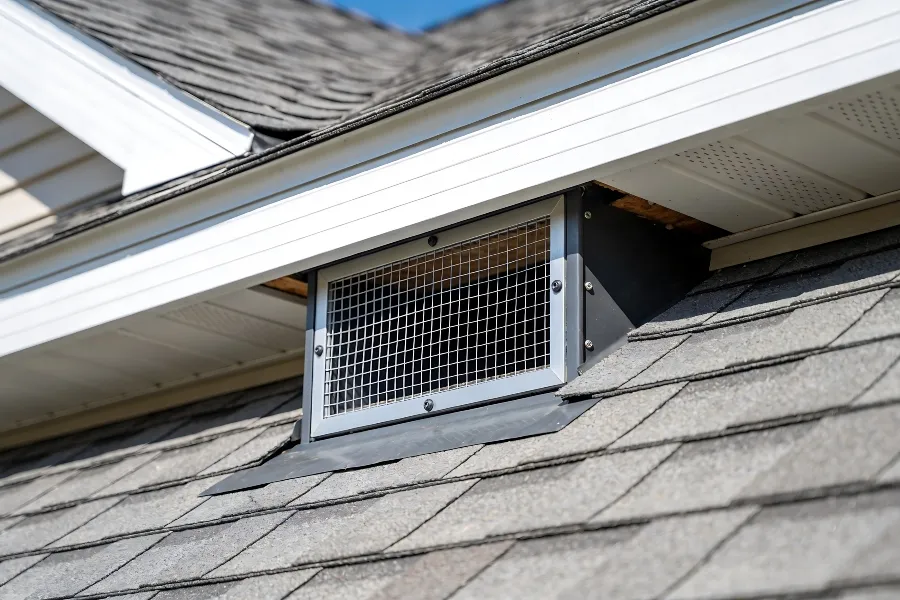
The best time for home wildlife-proofing and attic animal exclusion is late summer through early autumn (late August through October), with early spring (March to April) as a close second. Securing your home during these windows aligns with natural animal breeding cycles across Virginia, Georgia, Louisiana, Florida, Maryland, and Illinois, ensuring adult wildlife and mobile young can be safely excluded without trapping helpless litters inside your walls.
Key Takeaways:
- Regulatory Compliance: Scheduling work in late summer or early fall ensures compliance with state maternity blackout restrictions—such as bat conservation laws in Florida, Georgia, Maryland, Louisiana, Virginia, and Illinois—allowing legal, humane exclusion after young are fully mobile.
- Preventing Trapped Offspring: Young animals can leave entry points independently in late summer and early spring, eliminating animal mortality, foul odors, and costly wall cutouts.
- Pre-Winter Defense: Sealing rooflines, soffits, and foundation vents before cold snaps or regional weather shifts force pests like roof rats, raccoons, and squirrels indoors avoids emergency removals, insulation restoration, and biohazard cleanups.
- Heavy-Duty Exclusion Materials: Effective long-term protection relies on materials like 19-gauge, ¼” hot-dipped galvanized mesh rather than temporary DIY sprays or foam.
Waiting until you hear scratching in the walls or discover chewed electrical wires leaves you dealing with emergency animal removal, expensive biohazard cleanups, and higher total wildlife restoration costs. Proactively securing your home’s exterior with Xceptional Wildlife Removal before weather shifts force pests inside keeps wildlife out—saving thousands compared to reactive pest control.
Why Late Summer / Early Autumn is the #1 Window
For the vast majority of nuisance wildlife pressures, late summer or early fall is the absolute best time to perform structural exclusion. It boils down to four primary factors:
- Compliance with Maternity Blackout Rules: Federal and state wildlife regulations mandate strict maternity blackout periods. Bat blackouts vary across our service region (e.g., April 15 – August 15 in Florida; April 1 – August 31 in Georgia; March 1 – August 31 in Maryland; and May 15 – August 15 in Illinois and Louisiana). Late summer to early fall marks the official end of these legal restrictions, making it the safest window for Xceptional Wildlife Removal to seal your home legally.
- Offspring Are Fully Mobile: By late summer, spring litters of raccoons, squirrels, opossums, armadillos, and bat pups have matured enough to leave entry points independently. Sealing gaps during this window eliminates the risk of trapping helpless young inside your walls or attic, preventing animal mortality and subsequent odor issues.
- Pre-Winter Migration: Wildlife actively seeks warm, dry winter dens during this period. Sealing entry points early forces animals to find natural shelter elsewhere before cold weather hits.
- Favorable Weather Conditions: Roofing materials, sealants, and custom heavy-gauge mesh adhere and cure best during mild, dry weather before freeze cycles impact northern zones like Illinois and Maryland or humidity peaks in Florida and Louisiana.
The Second-Best Window: Early Spring
If you missed the autumn window, early spring (March to April) offers a crucial second chance. Completing exclusion work right as winter ends stops animals from choosing your attic, soffits, or crawlspace as their spring nursery. It serves as a vital backup window for three main reasons:
- Pre-Nesting Prevention: Securing entry points right as overwintering animals wake up or scout new territory prevents them from establishing nests and giving birth inside your home.
- Pre-Blackout Clearance: Finishing work in early spring resolves vulnerabilities well before state maternity blackout periods go into effect.
- Narrow Timing Window: While effective, the spring window is short. In states like Maryland and Georgia, blackout periods begin as early as March 1 or April 1. If you wait too long into April or May, pregnant females may give birth, forcing you to delay exclusion until the young are mobile and blackout periods pass in late summer.
Seasonal Wildlife Activity Guide
Understanding seasonal wildlife patterns in Virginia helps you stay ahead of potential infestations year-round.
- Spring (Breeding and Nesting): Raccoons, squirrels, and birds seek secluded, warm spaces like attics, chimneys, and wall voids to build nests and raise young. In southern states like Florida and Georgia, armadillos and roof rats also begin high-volume nesting activity.
- Summer (Growth and Foraging): Juvenile animals become active, and bat colonies peak in activity. High heat drives pests to seek shaded crawlspaces or ventilated attics.
- Fall (Ingress and Shelter Seeking): Rodents, raccoons, opossums, and skunks aggressively search for heated spaces, storing food and nesting materials for winter.
- Winter (Overwintering and Quiet Damage): Animals settle into attic insulation and subflooring. Because they leave infrequently, chewing on electrical lines, structural timbers, and ductwork often goes undetected until spring.
High-Risk Entry Points and Vulnerability Checklist
Wildlife can squeeze through surprisingly small openings. Mice require a gap the size of a dime, while rats need an opening the size of a quarter, and squirrels and raccoons can expand tiny holes by gnawing through exterior materials.
- Roof Vents and Ridge Caps: Standard 0.025” aluminum roof vents offer little resistance against an adult squirrel or raccoon’s leverage. Effective exclusion requires retrofitting vents with a minimum 19-gauge, ¼” hot-dipped galvanized mesh anchored directly to the roof deck.
- Soffits and Fascia Boards: Gaps along the roofline or rotting fascia offer easy leverage points for roof pest entry.
- Chimneys and Flues: Uncapped chimneys act as open invitations—keeping wildlife like raccoons and bats out of the chimney requires heavy-duty stainless steel caps.
- Gable and Foundation Vents: Weak screens invite bats, birds, and mice into upper and lower house levels.
- Utility Line Penetrations: Unsealed gaps around pipe entries, HVAC lines, and electrical conduits are primary entryways for rodents and snakes.
- Overhanging Tree Branches: Roof overhangs within 6 to 8 feet of tree limbs act as natural bridges for climbing pests.
Why Timing Matters: Prevention vs. Removal
Addressing potential entry points before animals invade is significantly easier, safer, and less expensive than dealing with an active infestation.
| Feature | Proactive Wildlife-Proofing | Reactive Wildlife Removal |
|---|---|---|
| Primary Goal | Prevent entry before animals arrive (proactive residential pest exclusion) | Trap, remove, and exclude active pests (emergency animal removal service) |
| Legal & Regulatory Risk | Zero Risk: Exclusion scheduled safely outside state and federal maternity blackout windows | High Risk: Disturbing protected species (e.g., nursing bat colonies) during summer blackouts risks heavy fines and legal penalties under state wildlife codes |
| Overall Cost | Lower: One-time home sealing and heavy mesh installation | Higher: Trapping fees, emergency calls, attic decontamination, and insulation repair |
| Risk of Trapped Babies | Near Zero: Scheduled post-maternity blackout when young are mobile | High: Requires locating and extracting hidden litters inside construction voids |
| Structural & Electrical Damage | Prevented entirely | Often severe (chewed electrical wires, torn insulation, structural gnawing) |
| Health & Biohazard Risks | None | Requires professional decontamination of droppings, urine, guano, and parasites |
Professional Wildlife-Proofing vs. DIY
While homeowners in Virginia can handle basic yard sanitation, long-term rodent and wildlife exclusion requires commercial materials, high-roof safety equipment, and structural expertise.
What You Can Do (Basic Yard Maintenance):
- Trim Tree Limbs: Cut branches back 8+ feet from the roofline to remove pest bridges.
- Eliminate Food Sources: Secure trash cans with locking lids and remove outdoor pet bowls and bird feeders.
- Clear Foundation Borders: Maintain a 12-inch gravel strip around your foundation and store firewood at least 20 feet away.
Need a Wildlife Removal Estimate?
What Xceptional Wildlife Removal Handles (Structural Exclusion):
- Humane One-Way Evacuation: Install specialized one-way doors that allow trapped animals to exit to forage without re-entering.
- Commercial-Grade Reinforcement: Replace temporary foam and window mesh with 19-gauge galvanized steel hardware cloth, heavy metal flashing, and industrial silicones.
- High-Risk Safety Inspections: Access pitch roofs, high ridge caps, and contaminated attic spaces using proper harnesses and biohazard gear.
- Warranty Protection: Back sealed entry points with multi-year warranties for long-term peace of mind.
FAQs About When to Wildlife-Proof Your Home
Will sealing up my home’s entry points cause ventilation or moisture problems in the attic?
Not if you use the right materials. The goal is to block animals, not air. Improperly slathering expanding foam or solid panels over roof, ridge, or soffit vents chokes off attic ventilation, trapping moisture that leads to mold, rotted rafters, and ice dams in cold climates like Illinois and Maryland. Professional exclusion by Xceptional Wildlife Removal relies on custom-fitted 19-gauge, ¼” galvanized steel mesh installed over existing vents. Air continues to circulate freely, but pests are completely locked out.
What are the average costs associated with professional wildlife-proofing compared to reactive removal and repairs?
Proactive wildlife-proofing typically costs much less than reactive trapping and removal. This includes vulnerability sealing, vent screening, and high-risk reinforcement. Waiting until animals move in flips that dynamic entirely:
| Service Stage | Typical Cost Range |
|---|---|
| Proactive Exclusion (Preventative sealing & mesh) | $500 – $1,500 |
| Emergency Trapping & Removal | $300 – $800 |
| Biohazard Decontamination & Odor Neutralization | $1,000 – $3,000 |
| Attic Insulation Replacement & Structural Repairs | $2,000 – $8,000+ |
| Total Reactive Cost | $2,500 – $12,000+ |
Does weather affect the installation or performance of galvanized steel mesh and sealants?
Once installed, hot-dipped galvanized mesh withstands freezing cold, driving rain, and intense heat without rusting or degrading. However, the installation process is highly weather-sensitive:
- Temperature Restrictions: Industrial-grade polyurethane sealants and silicones require temperatures above 40°F (4°C) to cure and bond securely to roof shingles and masonry.
- Moisture Limits: Wet surfaces or high humidity prevent flashing adhesives and sealants from forming a waterproof bond.
This is another reason the late summer through early autumn window is king—dry, mild conditions across Virginia, Georgia, Louisiana, Florida, Maryland, and Illinois ensure full adhesion and long-lasting seals.
How often should a home undergo a wildlife vulnerability inspection after initial proofing?
Schedule a quick visual audit once a year in late summer, right before pests begin searching for winter dens. You don’t always need a professional for this—just walk your perimeter and check:
- Roofline Shifts: Has a winter storm or tropical system shifted fascia boards or loosened ridge cap flashing?
- Contractor Gaps: Did a recent HVAC repair, satellite dish installation, or roof replacement break existing wire mesh or leave new utility penetrations unsealed?
- Foundation Changes: Have digging pests or soil erosion exposed new crawlspace gaps?
What materials should never be used for wildlife exclusion because animals can chew right through them?
Raccoons can tear through thin materials with their paws, and rodents’ teeth register a 5 on the Mohs hardness scale—making them capable of gnawing through copper, aluminum, and soft brick.
- Expanding Spray Foam: A classic DIY mistake. Mice and squirrels chew through cured foam in seconds and often use it as nesting material.
- Plastic & Aluminum Vent Caps: Standard builder-grade vinyl or thin 0.025” aluminum caps give way easily under an adult raccoon’s leverage.
- Standard Bug Window Screen / Hardware Cloth: Lightweight aluminum or nylon screening rips effortlessly under claw pressure.
- Expanding Foam + Steel Wool (Unsealed): While steel wool stops teeth initially, ambient humidity turns raw steel wool to rust within months, leaving an open entry point.
Always demand 19-gauge or heavier, ¼” hot-dipped galvanized steel hardware cloth or heavy stainless steel caps installed by Xceptional Wildlife Removal.
Secure Your Home Before Wildlife Moves In
Don’t wait for noises in the attic to take action. Scheduling a comprehensive home inspection with licensed wildlife control experts during the ideal late-summer or early-spring window ensures your home remains fully sealed.
Animal-proof your home before temperature drops trigger winter ingress. Reach out to Xceptional Wildlife Removal today for an exterior exclusion audit with our certified field technicians to identify vulnerabilities before animals turn your attic into their den.


