
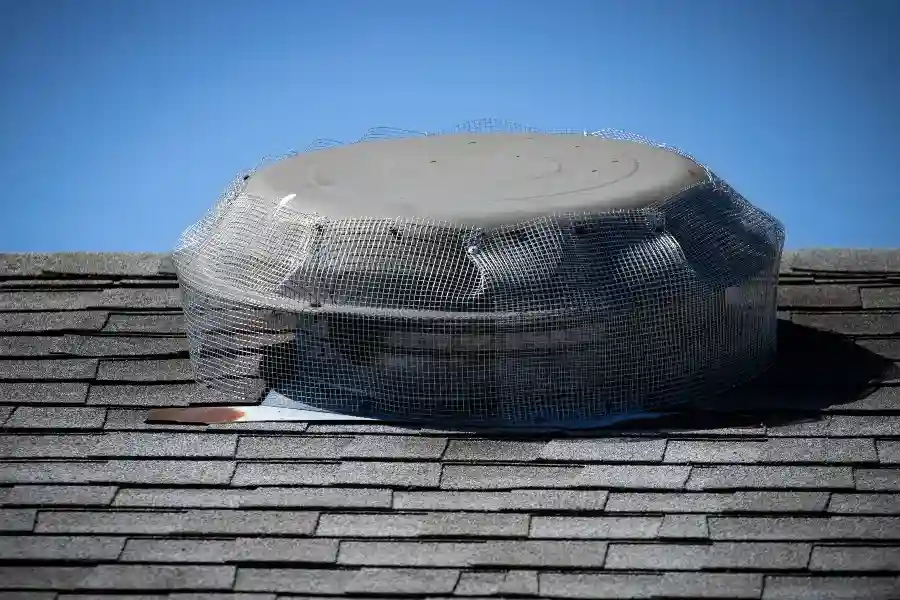
Creating a tailored wildlife exclusion strategy that considers your property’s vulnerabilities along with the environment’s wildlife threats is the most effective way to prevent problems.
Exclusion typically relies on a three-pronged approach: hardening the home’s structure with durable metal barriers, removing yard attractants like food and shelter, and controlling environmental factors like moisture and scent trails.
Key Takeaways:
- Vulnerable structural areas — such as roof vents, chimneys, soffits, crawlspaces, and utility penetrations — require distinct physical reinforcements tailored to the specific entry risks they present.
- Tailoring prevention strategies to specific regional wildlife threats across Virginia, Georgia, Louisiana, Florida, Maryland, and Illinois helps maximize your long-term protection.
- Aligning maintenance tasks with seasonal wildlife cycles — spring nesting, summer active foraging, fall shelter-seeking, and winter refuge — prevents intrusions before they occur.
- While routine yard sanitation and basic surface sealing are safe for DIY, active nesting, rabies-vector species, complex roof repairs, and electrical hazard remediation require certified professional intervention.
Wildlife intruders like raccoons, squirrels, bats, and rodents don’t just occupy space — when they get inside homes, they’re often panicked or actively nesting. Destroying and damaging property by gnawing through electrical wiring inside walls, shredding attic insulation, and fouling living areas with droppings and nesting materials, they introduce dangerous pathogens and airborne biohazards (such as hantavirus, histoplasmosis, and raccoon roundworm).
If you’ve experienced recurrent wildlife issues, it’s time to shift your strategy from reactive trapping to a proactive and systematic exclusion strategy.
Jump to a Section:
- An Expert’s 3-Step Exclusion Framework
- Structural Vulnerability Guide
- Regional Species-Specific Exclusion Strategies
- State-by-State Wildlife Laws & Protected Species Comparison
- Seasonal Wildlife Defense Schedule
- FAQs About Wildlife Exclusion for Homes
- DIY Prevention vs. Professional Intervention
An Expert’s 3-Step Exclusion Framework
Preventing wildlife intrusion requires a combination of structural fortification, property sanitation, and moisture management. In Virginia, where seasonal humidity, regional storms, and dense local wildlife populations increase structural pressure on rooflines and crawlspaces, it all starts with defending your home’s structure and working your way outward from there.
Step 1: Structural Perimeter Hardening
Physical barriers are the most effective line of defense against wildlife. Standard builder-grade materials like vinyl, soft wood, and thin plastic vents are easily bypassed by determined animals.
- Install Galvanized Hardware Cloth: Cover gable vents, crawlspace openings, and soffit gaps using 1/4-inch or 1/2-inch, 19-gauge hot-dipped galvanized wire mesh. Fasten it securely with stainless steel screws and washers, not simple staples.
- Seal Gaps with Heavy-Duty Materials: Fill small gaps around pipes, foundation seams, and siding with copper mesh or stainless steel wool before backing them with high-grade silicone sealant or outdoor polyurethane foam. To block rodents and snakes without trapping destructive moisture inside exterior masonry, install specialized stainless steel foundation weep hole covers. Animals cannot chew through dense metal mesh.
- Protect Chimneys and Vents: Install heavy-gauge steel chimney caps equipped with spark arrestors. Replace plastic roof vents with heavy metal alternatives to prevent raccoons and squirrels from tearing them open.
- Reinforce Ground-Level Entrances: Install heavy-duty metal door sweeps on all exterior doors, including garage doors. Ensure garage weather stripping forms a tight seal against the concrete slab.
Step 2: Yard and Attractant Mitigation
Animals target homes because the surrounding yard offers steady food, water, or shelter. Eliminating these attractants removes the incentive for wildlife to explore a structure.
- Secure Garbage and Compost: Use heavy-duty plastic or metal trash cans with locking lids. Store garbage bins inside a garage or shed until the morning of pickup. Avoid open outdoor composting of food scraps.
- Manage Pet Food and Bird Feeders: Feed pets indoors. If outdoor feeding is necessary, remove all leftover food within 30 minutes. Remove bird feeders entirely if rodents, squirrels, or bears are active in the area, or install squirrel baffles and sweep up fallen seed daily.
- Cut Back Overhanging Vegetation: Trim tree limbs so they maintain at least an 8- to 10-foot clearance from the roofline to prevent jumping onto the shingles. Cut back dense shrubs, ivy, and groundcover within 3 feet of the foundation wall to eliminate hiding spots.
- Elevate Firewood and Outdoor Storage: Store firewood logs at least 18 inches off the ground and at least 20 feet away from the home. Clear out piles of brush, debris, and unused construction materials near the perimeter.
Step 3: Moisture and Scent Control
Wildlife relies heavily on moisture sources and scent trails when navigating residential areas. Controlling these factors makes a property less hospitable.
- Eliminate Standing Water: Repair leaky hose bibs, clean out clogged rain gutters, and ensure proper slope drainage away from the foundation. Cover rain barrels with fine mesh screens.
- Deodorize Entry Routes: Use enzymatic cleansers to clean areas previously frequented by wildlife. Removing pheromones and scent trails stops new animals from following the same pathways into the home.
- Encapsulate Crawlspaces: Install heavy vapor barriers in crawlspaces to reduce humidity levels, making the subfloor environment far less appealing to moisture-seeking pests like opossums, skunks, and rodents.
Structural Vulnerability Guide
Different parts of a home present unique entry risks depending on the animal species involved. The table below details primary vulnerability zones, common signs of intrusion, and the recommended permanent repair.
| Structural Zone | Common Invader | Signs of Intrusion | Recommended Exclusion Solution |
|---|---|---|---|
| Roof Vents and Ridge Caps | Squirrels, Raccoons, Bats | Torn plastic, missing mesh, chattering in attic, rustling at dawn/dusk | Replace with heavy-gauge steel vents; install metal ridge vent end-caps and mesh underlayment. |
| Chimneys | Raccoons, Birds, Bats | Scratches inside flue, chirping, soot on hearth, black droppings | Install custom stainless steel or galvanized chimney cap with spark arrestor screen. |
| Soffits and Eaves | Squirrels, Raccoons, Opossums, Roof Rats | Gap in fascia, hanging trim, insulation pulled out, heavy thumping noises | Replace damaged wood; secure 1/4-inch hardware cloth behind soffit vents; install heavy metal drip edge flashing along rooflines and fit heavy-duty soffit guards over vulnerable intake vents. |
| Crawlspace Vents and Foundations | Rodents, Opossums, Skunks, Armadillos | Burrowing holes under walls, torn vent screens, musky odors under floor | Install code-compliant metal crawlspace vent covers; sink 1/2-inch hardware cloth 12 inches deep in an L-shape around the perimeter. |
| Utility Penetrations, Exterior Walls and Doors | Mice, Rats, Snakes | Small oily smudge marks, missing mortar, high-pitched squeaking in walls | Retrofit exposed weep holes with custom foundation weep hole covers; pack gaps tightly with copper mesh or stainless steel wool, then seal flush with exterior polyurethane sealant. |
Visual Guide: How Wildlife Gets Inside
File name: house-vulnerabilities-to-wildlife-pests
Alt: a graphic showing the typical home’s vulnerabilities to wildlife pests in Virginia, Georgia, Louisiana, Florida, Maryland, and Illinois
Regional Species-Specific Exclusion Strategies
Different species possess distinct physical capabilities and behaviors. Effective rodent and wildlife exclusion requires targeting these specific traits with customized physical barriers.
Rodents (Mice, Norway Rats, and Roof Rats)
Mice can squeeze through 1/4-inch gaps, while rats require just 1/2 inch to gain entry. Roof rats are especially active in coastal and southern regions (FL, GA, LA, VA, MD), using overhanging trees and utility lines to target high-altitude entries.
- Seal Utility Entry Points: Pack all pipe penetrations, door sweeps, and brick mortar gaps with copper mesh or stainless steel wool, and protect all ground-level air gaps using stainless steel foundation weep hole covers.
- Avoid Raw Spray Foam: Rodents chew through standard expanding foam in minutes unless it is densely backed with metal mesh.
- Install Heavy Door Sweeps: Secure exterior doors and garage slabs with heavy-duty metal-backed weather stripping.
Raccoons and Opossums
Raccoons possess human-like dexterity and raw physical strength, allowing them to tear open weak building materials like aluminum or soft soffits.
- Upgrade Vent Hardware: Replace plastic and thin aluminum roof vents with heavy-gauge steel alternatives, and install reinforced soffit guards along overhangs.
- Anchor Access Points: Bolt down attic hatches, crawlspace doors, and fascia covers with stainless steel lag screws, avoiding simple adhesives.
- Reinforce Rooflines: Secure rotted fascia boards and loose shingles where raccoons leverage their weight to pry open gaps by securing rigid drip edge flashing under shingle overhangs.
Squirrels (Grey, Fox, and Flying Squirrels)
As persistent gnawers, squirrels effortlessly chew through wood, vinyl, aluminum, and soft metals to widen entry holes. Flying squirrels require tiny openings and often nest in large colonies in upper attic spaces.
- Focus On High-Altitude Defense: Prioritize sealing roof gaps, gable vents, and soffits where trees provide direct access.
- Install Metal Flashing: Mount heavy-duty metal drip edge flashing along all vulnerable wooden roof edges, eaves, and fascia corners.
- Prune Jump Points: Maintain a strict 8- to 10-foot vegetation buffer between tree canopies and your shingle line.
Bats and Birds
Bats fit through vertical slits as thin as 3/8 inch along rooflines, ridge caps, and siding seams.
- Respect Maternity Windows: Never seal entries during state-mandated maternity seasons (e.g., April 16 – August 14 in Florida; April 1 – July 31 in Georgia; May–August across VA, MD, IL, and LA) to avoid trapping flightless young inside walls.
- Deploy One-Way Valves: Install specialized exclusion doors outside blackout periods so animals can exit to feed but cannot return to the roost.
- Seal Structural Seams: Seal remaining gaps with high-grade silicone caulk backed by galvanized hardware mesh after eviction.
Need a Wildlife Removal Estimate?
Subterranean & Burrowing Animals (Skunks, Groundhogs, Armadillos, and Nutria)
Burrowing pests like armadillos (FL, GA, LA) and nutria (LA, MD) bypass above-ground barriers by digging underneath decks, porches, sheds, and shallow foundations.
- Install L-Shaped Footers: Trench 1/2-inch galvanized hardware cloth 12 inches deep and flare it 12 inches outward underground to stop digging.
- Screen Deck Aprons: Enclose open spaces beneath porches and sheds with heavy wire mesh secured to the structural frame.
- Backfill Existing Burrows: Clear active tunnels using one-way ground gates before backfilling holes with heavy stone and concrete.
State-by-State Wildlife Laws & Protected Species Comparison
Because wildlife protection statutes and public health laws vary across our service regions, exclusion strategies must comply with local Department of Natural Resources (DNR) and Fish and Wildlife mandates:
| State | Primary Local Species Threats | Key Exclusion Laws & Seasonal Blackout Windows |
|---|---|---|
| Virginia | Raccoons, Grey/Flying Squirrels, Bats, Foxes, Opossums | Rabies Vector Restrictions: Illegal to relocate rabies-vector species (raccoons, skunks, foxes) off-property. Bat exclusion prohibited during maternity season (May 1 – August 31). |
| Georgia | Armadillos, Raccoons, Bats, Squirrels, Snakes | Bat Maternity Law: Strict bat exclusion blackout from April 1 through July 31 (GA DNR). Nuisance trappers must be state-licensed to handle vector species. |
| Louisiana | Nutria, Armadillos, Raccoons, Bats, Alligators | Invasive & Waterfowl Rules: Nutria and armadillos are non-native burrowing hazards. Bat exclusion blackout runs April 15 – August 15. |
| Florida | Green Iguanas, Roof Rats, Bats, Armadillos, Raccoons | Strict FWC Rules: Bat exclusion prohibited April 16 – August 14 (FWC). Invasive reptiles (iguanas, tegus) cannot be released alive. |
| Maryland | Raccoons, Nutria, Squirrels, Bats, Groundhogs | DNR Regulations: Wildlife damage control permits required. Bat maternity blackout window runs April 15 – September 1. Relocation of rabies vectors restricted. |
| Illinois | Raccoons, Squirrels, Bats, Skunks, Opossums | Protected Mammal Code: Permits required for trapping/removal. Bat maternity exclusion blackout runs April 15 – September 1. |
Seasonal Wildlife Defense Schedule
Wildlife activity shifts throughout the year based on breeding, foraging, and sheltering needs. Use this seasonal guide to stay ahead of potential invasions.
| Season | Primary Wildlife Threat | Behavior and Objective | Essential Action Items |
|---|---|---|---|
| Spring | Raccoons, Squirrels, Birds | Seeking warm, sheltered nesting sites to give birth to young. | Inspect attic space for light/gaps; verify chimney caps are intact; check soffits and verify soffit guards are securely fastened before baby animals are born. |
| Summer | Bats, Snakes, Skunks, Armadillos | Foraging actively; high juvenile movement; seeking cool crawlspaces. | Install one-way bat doors (late summer after maternity season ends); secure low-level foundation vents; check foundation weep hole covers; clear heavy brush near ground level. |
| Fall | Mice, Rats, Squirrels | Seeking winter shelter as outdoor temperatures drop; hoarding food. | Perform full perimeter check; seal utility gaps; trim tree branches; secure garage door seals. |
| Winter | Mice, Rats, Raccoons | Sheltering from extreme cold; feeding on stored household resources. | Check attics and basements for droppings; monitor interior noise level; keep all outdoor garbage locked down. |
FAQs About Wildlife Exclusion for Homes
Does standard homeowners insurance cover structural damage or biohazard cleanup caused by wildlife intrusions?
In most cases, no. Standard policies treat damage from rodents (mice, rats, squirrels) and pest infestations as preventable home maintenance issues. However, there are exceptions:
- Covered: Sudden structural damage caused by larger non-rodent animals (e.g., a raccoon tearing through roof shingles or a bear damaging a doorway) may be covered under dwelling coverage.
- Not Covered: Feces/urine biohazard cleanup, insulation replacement, and chewed electrical wiring from mice, rats, or squirrels are almost universally excluded.
How long does a complete wildlife exclusion process usually take from initial inspection to final sealing?
A complete exclusion process typically takes 1 to 3 weeks from start to finish:
- Inspection and Primary Setup (Day 1): The technician inspects the perimeter, seals secondary vulnerabilities, and installs one-way exit doors over primary entry points.
- Eviction Phase (3 to 10 Days): Animals use the one-way doors to exit for food and water but cannot re-enter.
- Verification and Final Sealing (Day 7–14): Once noise and activity cease completely, technicians return to remove the one-way doors and permanently seal the remaining main entry points with heavy-duty materials.
Does sealing high-altitude vents and soffits affect my home’s attic ventilation or energy efficiency?
Not if done correctly. Properly executed wildlife exclusion fortifies vent openings—it does not block essential airflow.
- How It Works: Technicians install 1/4-inch or 1/2-inch galvanized hardware cloth or metal vent covers directly over or behind gable, soffit, and ridge vents. This permits full net free ventilation area (NFVA) for proper attic cooling and moisture control while creating an impenetrable barrier against animals.
- What to Avoid: Using solid materials (like plywood or expanding foam without ventilation channels) across soffit intake or gable vents will compromise airflow, leading to moisture buildup, mold, and inflated HVAC bills.
How often should physical exclusion barriers and wire meshes be inspected and maintained?
Physical exclusion barriers should be inspected twice a year—ideally during spring and fall maintenance checks:
- Spring Inspection: Look for shifting, rusting, or animal tampering (e.g., claw marks or bent mesh) left behind by creatures seeking nesting space after winter.
- Fall Inspection: Ensure rooflines, soffit mesh, chimney caps, and door seals are tight before cold weather drives rodents and raccoons indoors.
- Post-Storm Check: Perform a quick visual check on high-altitude screens and chimney caps after severe wind, ice, or hail storms to ensure physical barriers haven’t dislodged.
What steps should be taken to clean and restore an attic or crawlspace after wildlife has been excluded?
Once animals are permanently excluded, a complete attic restoration and biohazard remediation process is essential to restore indoor air quality and protect your home’s structural hygiene. This process typically involves a three-phase restoration. For cases of severe contamination, hire a professional. We don’t recommend doing this job yourself, even in cases of minor to moderate contamination. It’s a rigorous, multistep process, involving:
- Biohazard Removal and Sanitization: Accumulated droppings, urine, and nesting debris often carry dangerous airborne pathogens (such as Histoplasma capsulatum spores and hantavirus) as well as species-specific parasites like raccoon roundworms and bat bugs. During attic or crawlspace decontamination, technicians use HEPA-filtered vacuum systems to safely remove biological waste, followed by a broad-spectrum antimicrobial fogging treatment to neutralize bacteria, fungi, and lingering pheromone odors.
- Insulation Repair and Replacement: Animals compress, shred, and saturate attic insulation with waste, destroying its thermal performance (“R-value”). Damaged insulation must be removed, the subfloor sanitized, and fresh insulation installed to restore your home’s energy efficiency.
- Safety and Wiring Inspection: Before final cleanup is complete, a thorough check of structural framing, flexible ductwork, and electrical wiring is performed to detect hidden gnaw marks or chewed insulation that could present fire hazards or air leaks.
How much does a professional home wildlife exclusion service typically cost on average?
Professional wildlife exclusion costs vary based on home size, the severity of entry points, and accessibility:
- Minor Exclusion & Spot Repairs: $300 to $700 for basic vent capping, sealing 1–2 utility openings, or installing a single chimney cap.
- Full Structural Exclusion: $1,200 to $3,500+ for comprehensive perimeter sealing, heavy-duty drip edge installation, multi-vent metal mesh fortification, and one-way eviction doors.
- Full Attic Restoration & Biohazard Remediation: $2,000 to $6,000+ depending on the square footage of insulation needing removal, sanitization, and re-installation.
Investing in professional exclusion provides permanent protection backed by multi-year warranties, preventing thousands of dollars in recurring structural and electrical damage.
If you would like to schedule an inspection and get a no-obligation estimate for professional wildlife exclusion in Virginia, reach out to Xceptional Wildlife Removal today.
DIY Prevention vs. Professional Intervention
While proactive maintenance and basic yard maintenance can be completed by DIY enthusiasts, you should leave certain situations that carry significant safety, health, and legal risks to experienced rodent and wildlife exclusion professionals.
Safe DIY Prevention Tasks
- Sweeping up debris, trimming branches, and maintaining garden spaces.
- Replacing rotted window trim, door sweeps, or simple ground-level screening.
- Storing trash in wildlife-proof containers and removing outdoor pet dishes.
When to Call a Professional Wildlife Control Specialist
- Noise Inside Walls or Ceilings: Scritching, thumping, or vocalizations inside structural cavities usually indicate an established nest rather than a single lost animal.
- Active Nesting or Dependent Offspring: Sealing an entry point while young animals are inside causes them to starve, leading to severe odor, insect infestations, and destructive mother animals tearing through walls to reach their offspring.
- Rabies Vector & Protected Species: Handling raccoons, bats, skunks, or foxes poses severe health risks from bite exposures, disease transmission, and parasite exposure (e.g., raccoon roundworm, histoplasmosis). State laws also govern their handling and seasonal exclusion windows.
- High-Altitude Roof Repairs: Working on steep roof pitches, chimney tops, or multi-story fascia walls presents significant fall hazards requiring specialized safety gear and staging.
- Chewed Electrical Wiring: Animals chew on electrical wires, creating hidden fire hazards inside attic insulation that require professional detection and remediation.
If you hear noises in your attic, suspect an active nest inside your walls, or need a thorough structural exclusion assessment, contact our expert team today. We’ll perform a comprehensive home inspection and customized exclusion plan for your home in Virginia. Contact Xceptional Wildlife Removal today!


