
The short answer? Not reliably. Wildlife repellents rarely work as a standalone or permanent solution. If you’ve ever wondered do ultrasonic pest repellers work or whether store-bought sprays can clear out an attic, the reality is that these gadgets and sensory tricks rarely live up to the hype. When wildlife intrusions threaten your home, your health, and your sleep, the urge to try anything—from DIY chemical mixtures to high-frequency plug-ins—is completely understandable.
Certain scent or taste deterrents can provide temporary relief in open areas like gardens, but wild animals quickly adapt to sensory scares when seeking food or shelter.
Key Takeaways:
- Sensory repellents like sprays, lights, and ultrasonic devices rarely provide permanent relief because animals are driven by life-or-death motivators like food and shelter.
- The biological instinct to survive and protect offspring consistently outweighs the temporary nuisance caused by visual, sound, or scent deterrents.
- Common home remedies like mothballs and sonic plug-ins often introduce toxic hazards or false security without actually driving out pests.
- Physical exclusion through structural repairs and sealing entry points remains the only proven, long-term solution for wildlife infestations across Virginia, Georgia, Louisiana, Florida, Maryland, and Illinois.
While repellents are not a standalone solution for a wildlife infestation, when applied strategically and intended as a temporary stopgap, they can have a useful role to play.
Jump to a Section:
- Repellent Effectiveness by Wildlife Species
- Regional Legal & Species Comparison by State
- Breakdown of Repellent Categories and Real-World Results
- When Repellents CAN Be Useful
- DIY Repellents vs. Professional Physical Exclusion
- FAQs About Wildlife Repellents
Repellent Effectiveness by Wildlife Species
Different animals possess distinct instincts, diets, and survival drives. A scent or sound that mildly annoys a foraging deer will likely fail to deter a female raccoon protecting her babies in a warm attic or an armadillo burrowing under a deck.
| Wildlife Species | Target Areas | Common Repellents Tested | Actual Efficacy | Why DIY Remedies Fail |
|---|---|---|---|---|
| Raccoons | Attics, chimneys, trash cans | Predator urine, ammonia, lights, ultrasonic units | Very Low | High intelligence and maternal drive to protect young outweigh mild sensory discomfort. |
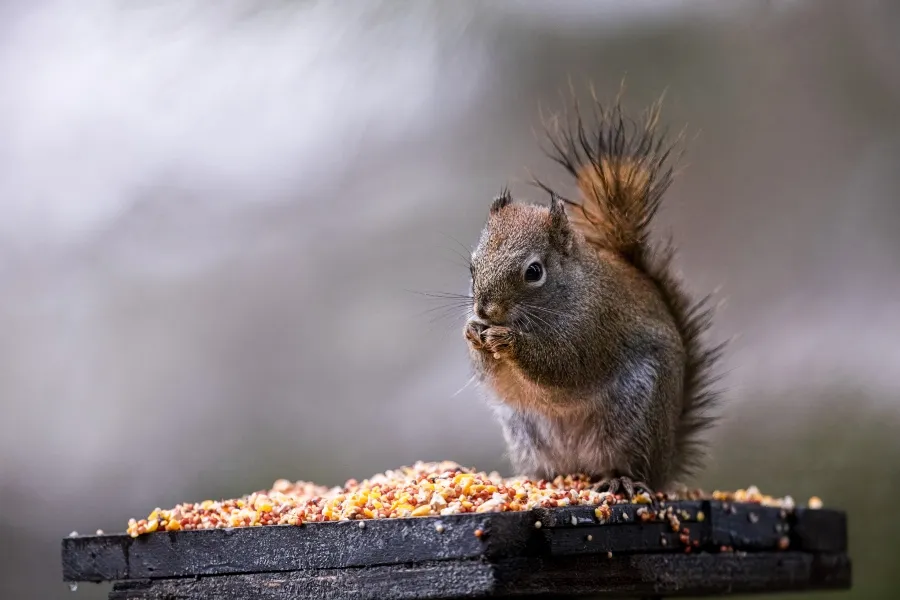
| Squirrels | Roof lines, attics, bird feeders | Peppermint oil, cayenne spray, sonic devices | Low | Acclimate within 24–48 hours; relentless focus on shelter and food overrides scents. |
| Rats and Mice | Walls, basements, kitchens | Ultrasonic plug-ins, peppermint oil | Very Low | Rapid habituation; high breeding rates easily outpace minor localized annoyance. |
| Skunks and Opossums | Decks, sheds, crawlspaces | Motion lights, predator scents, ammonia | Low to Moderate | May move temporarily, but will return once scent dissipates or light becomes familiar. |
| Armadillos (GA, FL, LA) | Lawns, flower beds, foundations | Castor oil sprays, mothballs, ultrasonic spikes | Extremely Low | Armadillos rely on soil insect foraging; scents do not penetrate subterranean burrows effectively. |
| Nutria / Semi-Aquatic Pests (LA, MD) | Crawlspaces, embankments, decks | Visual scare tactics, predator urine | Very Low | Semi-aquatic habits wash away scents; burrowing instincts override sensory scares. |
| Green Iguanas (FL) | Roofs, gardens, sea walls | Garlic/pepper sprays, noise makers | Very Low | Cold-blooded reptiles are unaffected by mammal predator scents; driven by warmth and vegetation. |
| Bats (All States) | Attics, soffits, wall voids | Ultrasonic devices, bright lights, essential oils | Extremely Low | High site fidelity to maternity roosts; sonic waves do not reach inside tight structural cavities. |
| Deer | Lawns, gardens, ornamental plants | Putrescent egg solids, capsicum, spray sprinklers | Moderate (Short-Term) | Effective on landscapes if reapplied constantly, but deer will eat treated plants if hungry enough. |
Regional Legal & Species Comparison by State
Wildlife control laws and primary species threats vary depending on local regulations and regional ecosystems across our service areas:
| State | High-Priority Nuisance Species | Key Legal Regulations & Seasonal Rules |
|---|---|---|
| Virginia | Raccoons, Squirrels, Bats, Foxes, Opossums | Strict Translocation Restrictions: Relocating vector species (raccoons, skunks, foxes) off-site is prohibited. Bat exclusion blackout period applies during maternity season (April 15 – September 1). |
| Georgia | Armadillos, Raccoons, Bats, Squirrels, Snakes | Maternity Protections: Bat exclusion is prohibited during maternity season (April 15 – August 23). Rabies vector species cannot be translocated across county lines. |
| Louisiana | Nutria, Armadillos, Raccoons, Alligators, Bats | Invasive Species Protocols: Nutria are non-native pests with specific removal mandates. Bat exclusion blackout period runs April 15 – August 15. Alligators require state wildlife permits. |
| Florida | Green Iguanas, Bats, Armadillos, Raccoons, Roof Rats | Invasive & Protected Rules: Green iguanas and non-native reptiles cannot be released alive into the wild. Strict bat exclusion blackout applies April 15 – August 15. |
| Maryland | Raccoons, Nutria, Squirrels, Bats, Groundhogs | Permit & Wildlife Directives: Wildlife damage control permits required for trapping/exclusion. Bat maternity blackout period runs April 15 – September 1. |
| Illinois | Raccoons, Squirrels, Bats, Skunks, Opossums | Nuisance Permit Regulations: Nuisance Wildlife Control Permits required for handling protected mammals. Bat exclusion blackout runs April 15 – September 1. |
Breakdown of Repellent Categories and Real-World Results
Commercial and home remedies fall into five main categories. Understanding how these products function—and where they fall short—helps prevent wasted time and money.
| Repellent Category | How It Claims to Work | Real-World Performance | Duration of Effect | Primary Limitations |
|---|---|---|---|---|
| Chemical and Scent Deterrents (Predator urine, ammonia, mothballs) | Simulates danger or triggers olfactory avoidance. | Low to Moderate | 1 to 3 days | Rapidly degrades outdoors; scent disperses too quickly to work. Deterrent is not strong enough to override survival drive to obtain food or water. |
| Visual Deterrents (Motion lights, owl decoys, strobe lights) | Triggers a fear response using sudden illumination or fake predators. | Very Low | 1 to 2 days | Habituation. Animals quickly realize fake predators do not move, and lights pose no actual physical danger. |
| Acoustic Devices (Ultrasonic sound emitters, noise makers) | Emits high-frequency noise intolerable to animal hearing. | Extremely Low | < 24 hours | High frequencies cannot penetrate walls, insulation, or rooflines; animals habituate and adapt to constant background noise. |
| Taste Deterrents (Capsaicin/cayenne sprays, bitter agents) | Imparts a foul taste on plants, wood, or wires to stop chewing. | Moderate | Until washed away by rain or high humidity | Only works on direct contact; requires continuous reapplication to new plant growth. |
| Tactile Barriers (Bird spikes, sticky gels, wire mesh) | Creates physical discomfort or prevents perching. | High | Permanent (if installed properly) | Functions as physical exclusion rather than a sensory repellent; must be correctly sized for target pests. |
When Repellents CAN Be Useful
While repellents cannot solve an active wildlife infestation inside a structure, they do have niche applications when integrated into a broader management strategy:
- Protecting Landscaping: Taste-based deterrents containing capsaicin or putrescent egg solids can help reduce deer and rabbit damage on ornamental plants during peak growing seasons, provided they are reapplied after rainfall.
- Temporary Hazing Tactical Support: Visual and sound cues can occasionally be used in combination with one-way door systems to encourage animals to move out of an entry point during active harassment programs.
- Short-Term Buffer: Applying perimeter scent repellents can offer minor, temporary protection while waiting for permanent exclusion repairs to be completed on a building.
DIY Repellents vs. Professional Physical Exclusion
Relying on store-bought sprays creates a false sense of security while hidden structural damage and sanitation issues worsen. Permanent resolution requires transitioning from temporary deterrents to professional rodent and wildlife exclusion.
Need a Wildlife Removal Estimate?
| Strategy | Initial Investment | Ongoing Effort | Efficacy Rate | Long-Term ROI |
|---|---|---|---|---|
| DIY Repellents and Scares | Low initial cost | Very High (constant reapplication) | < 15% long-term success | Poor: Ongoing costs add up while damage worsens. |
| Trapping Alone | Moderate | High (requires baiting/monitoring) | 50% success | Moderate: Removes current animal, but leaves entry points open for new pests. |
| Professional Exclusion and Removal | Moderate to High | None (handled by experts) | 99%+ success rate | Exceptional: Includes structural sealing, habitat modification, and long-term guarantees. |
FAQs About Wildlife Repellents
Are chemical repellents like capsaicin or predator urine safe around household pets?
Use them with caution. While capsaicin and predator urine are generally non-toxic, capsaicin can cause sharp eye, nose, and paw irritation if a cat or dog walks through or licks a treated area.
Predator urine won’t poison a pet, but its scent can trigger stress or territorial anxiety in dogs and cats. Always apply these products away from high-traffic pet zones and let sprays dry completely before allowing pets outside.
What impact do taste and scent repellents have on beneficial garden wildlife, such as pollinating insects or songbirds?
Most commercial repellents have minimal impact on songbirds because birds lack the sensory receptors needed to register the heat from capsaicin. However, strong scent deterrents and essential oils sprayed directly onto flowering plants can disorient or repel pollinators like bees and butterflies.
To protect beneficial insects, avoid spraying open blooms and focus applications on stems and lower non-flowering foliage.
Do taste-based plant repellents affect the safety, taste, or yield of edible fruits and vegetables in home gardens?
Applying taste-based repellents like capsaicin or bitter agents directly to edible crops will affect their flavor and can be very difficult to wash off prior to consumption. While these repellents do not reduce plant yield or harm the soil, they should only be used on ornamental plants or on crop foliage before fruit develops.
To protect mature fruits and vegetables, apply deterrents around the garden border rather than directly on the produce.
Are there legal restrictions or seasonal timing considerations when using wildlife repellents?
Yes. Applying chemical or sensory repellents during spring and summer breeding seasons can trigger significant legal violations and structural hazards:
- Legal Protections for Protected Species: Under federal laws like the Migratory Bird Treaty Act, the Endangered Species Act, and state bat protection statutes across Virginia, Georgia, Louisiana, Florida, Maryland, and Illinois, using repellents to drive animals away from active nests or maternity roosts during seasonal blackout windows (typically April through August/September) can be classified as illegal harassment or disturbance of protected wildlife.
- State-Specific Translocation Regulations: States like Virginia, Georgia, Maryland, and Illinois strictly regulate or prohibit the translocation of rabies vector species (such as raccoons, skunks, and foxes), making improper harassment or trapping methods a regulatory risk.
- Risk of Abandonment: Applying intense scents or hazing tactics during nursery seasons often causes frantic adult animals to abandon flightless young or eggs.
- Secondary Hazards: Abandoned offspring will perish inside inaccessible wall voids or attics, creating severe sanitation risks, odor issues, and potential statutory fines.
Always inspect for active nurseries or protected nests before applying repellents during breeding windows.
Call Us for Wildlife Exclusion That Restores Peace of Mind
Repellents only delay the inevitable — leaving your home vulnerable to structural damage, contaminated insulation, and chewing hazards. Permanent resolution requires stopping wildlife at the source through targeted removal and structural fortification.
When you work with us, our certified pest control specialists will execute a detailed, step-by-step exclusion process:
- Comprehensive Property Assessments: Identifying hidden entry points from foundation gaps to high-risk rooflines and chimney caps.
- Humane Wildlife Removal: Safe extraction and one-way door systems tailored to local species and seasonal breeding windows.
- Heavy-Duty Structural Sealing: Permanent reinforcement using animal-proof materials like heavy-gauge galvanized steel mesh, concrete, and customized flashing.
Stop pinning your success on temporary sprays and gadgets that pests quickly ignore. Contact Xceptional Wildlife Removal today to schedule a comprehensive exclusion inspection in Virginia, Georgia, Louisiana, Florida, Maryland, and Illinois.


