Moisture Ants in Virginia
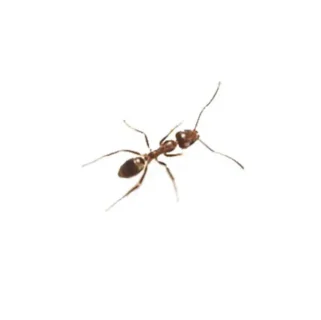
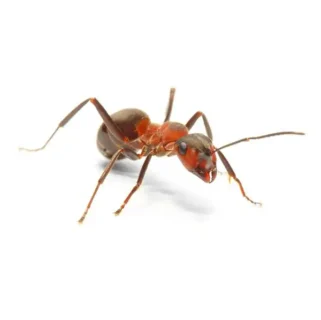
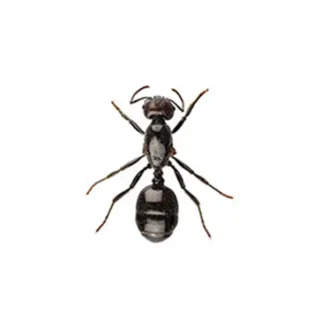
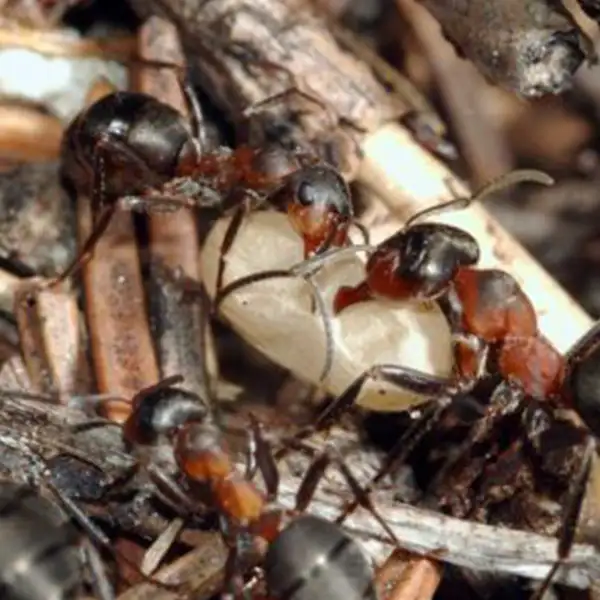
Moisture ants are named for their preference for damp environments. These ants typically nest in rotting logs, stumps, and sometimes in soil. They feed on sweet substances and tend to aphids for honeydew. While not a major structural pest, they can accelerate wood decay and become a nuisance when they enter homes in search of food. Their strong association with decayed wood makes them a common invader in moisture-damaged structures.
Moisture Ant Habitat
Moisture ants create intricate galleries within decaying wood, where they feed and thrive. True to their name, they favor damp, humid environments. Outdoors, they are commonly found in moist soil or rotting wood. When nesting in crawl spaces, they build distinctive mud tubes resembling a sea sponge, sometimes mistaken for subterranean termite tubes. Indoors, they are often uncovered behind walls, particularly during home renovations.
Moisture Ant Behaviors, Threats, or Dangers
While moisture ants do have the ability to bite, their bites are not painful. They are mostly a nuisance, often foraging for sweets in kitchens. These ants favor wet wood for nesting, especially in walls affected by plumbing or roof leaks. Their presence can also indicate underlying moisture issues within a structure. One of the most noticeable signs of moisture ants is their swarming behavior in the spring. If ignored, their numbers will steadily increase.
If you think moisture ants have invaded your home, it’s best to call a professional ant exterminator.