
 Key Takeaways:
- Feeding wild squirrels disrupts their natural foraging instincts, leading to an unhealthy dependency on humans and potential long-term survival issues.
- Artificially clustering squirrels in one area speeds the spread of deadly diseases and introduces dangerous parasites to your property.
- Offering human foods or common snacks like corn and peanuts causes severe, often fatal nutritional deficiencies and health complications.
- An increased squirrel population results in expensive property damage, higher risks of home invasion, and the attraction of unwanted predators or pests.
- The safest way to support local wildlife is through passive feeding by planting native, mast-producing trees and shrubs.
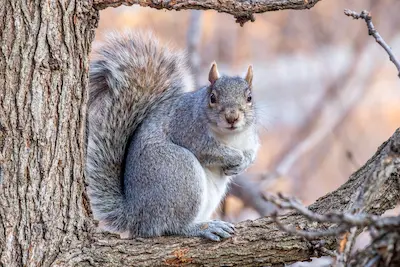
Most people don’t mind squirrels in their yard; in fact, many find them cute. As you’re watching squirrels running, jumping, and climbing, the thought might cross your mind that you should leave some food out for them. But is this a good idea? Should you feed the squirrels in your yard?
The simple answer is No – we don’t recommend leaving food out for squirrels. Feeding them will only lead to more squirrels in your yard, and while a few might be cute, too many squirrels in your yard is a problem.
If you feel like you want to help them, squash this urge. Squirrels are very capable of obtaining food for themselves, and getting yourself involved can lead to problems. Let’s dive in and discuss those potential problems in more detail.
Why Shouldn’t You Feed Squirrels?
In the end, the most important reasons for why you shouldn’t feed squirrels boils down to two things:
1) it’s bad for the long-term well-being of the squirrels; and 2) it’s bad for you as the homeowner.
The Dangers of Feeding Squirrels
- They lose their fear of humans: Squirrels should have a healthy fear of humans, but when you feed them, they begin to trust you – and other humans as well. This is called “habituation,” and it can make them more vulnerable to humans and neighbors who are less friendly.
- They become dependent: Younger squirrels can forget how to forage on their own – or never learn in the first place. And if you move away or stop leaving food out, this leaves them helpless.
- Property damage: Squirrels love to chew. Having them around makes it more likely that they’ll chew something you don’t want them to chew – like your roofline, soffits, or siding, or outdoor furniture and even electrical wiring (which is a fire hazard).
- They cross over into your house: The more squirrels you have in your yard, the more likely it is that one of them will find a squirrel-sized crack or crevice and make its way inside. When this happens, they can easily become trapped, which means you’ll likely need to call a wildlife removal expert to solve the problem.
- Their “friends” will come over too: You might only mean to feed one squirrel, but it rarely works out that way. It’s more likely that more squirrels will show up, and after them, more wildlife to clean up their food scraps. So while it starts as a couple squirrels, it can easily turn into many more, plus raccoons, skunks, and rats and mice.
- They don’t get the nutrition they need: Human food tastes great to squirrels, but it’s not great for them. Common “squirrel foods” offered by humans – like corn, peanuts, or bread – can cause nutritional deficiencies, and health problems like illness from toxic mold growth and metabolic bone disease.
- They’ll get demanding: If a squirrel associates you with treats, they might harass you for food anytime they see you, chasing you, jumping on you, or even biting you if they think you’re holding a snack. It’s not worth the doctor’s office visit.
- “Squirrel pox” risk: Fibromatosis, also known as “squirrel pox,” is common in areas where large numbers of squirrels congregate. This virus causes gruesome tumors in squirrels and can quickly devastate local squirrel populations.
- Breaking local laws and regulations: Some cities expressly forbid feeding local wildlife – even squirrels in your own backyard. Check your local city ordinances – feeding squirrels may subject you to possible fines.
Need a Wildlife Removal Estimate?
More Dangers of Feeding Squirrels in Your Yard
When you start feeding squirrels in your yard, it immediately shifts the natural order and changes the dynamic between them and you. But the reasons not to feed them don’t stop there. Having your yard serve as the local squirrel buffet can cause some additional downstream effects that you don’t want:
- Secondary parasite infestations – fleas, ticks, and mites: A squirrel is a perfect self-contained ecosystem for tiny parasites like fleas, ticks, and mites. Many squirrels are absolutely crawling with them, and when they show up on your property, some of these parasites naturally fall off. This is one of the most common ways that flea, tick, and mite infestations take hold in a new area.
- Bacteria and pathogens: Squirrel droppings and urine accumulate quickly around the areas where they eat, and these waste products often harbor dangerous pathogens like leptospirosis, salmonella, and tularemia. Pets will often smell the waste and go to investigate. They may even roll around in it and bring it back inside into your home.
- More predators: Just like you’re making it easy for squirrels to access food, you’re also making it easy for squirrel predators to access food. When you have a lot of squirrels in your yard, don’t be surprised when a lot of coyotes, foxes, hawks, and other birds of prey start showing up, too.
- Plant and soil toxicity: Squirrel feces and urine is high in nitrogen. Large quantities can kill grass and ruin your landscaping. Similarly, uneaten squirrel food can sprout mold and fungi.
Do Squirrels Eat “People Food”?
Yes, they’ll gladly eat anything that looks and smells like food, even foods that are bad for them. Plenty of human foods are toxic to squirrels, such as avocado pits and skins, onions, garlic, highly processed high-sodium junk foods, and chocolate.
On top of that, squirrels can’t tell that plastic and foil aren’t food; they’ll eat it as well, which can cause deadly digestive problems. So, for their sake as well as yours, it’s best not to let them get used to “people food.”
Do Squirrels Eat from Bird Feeders?
Oh yes. Squirrels don’t see them as “bird feeders” – they see them as “squirrel feeders.”
Many of your local wild squirrel’s favorite foods are conveniently located in the typical bird feeder. In fact, you might have noticed them stealing from there already. Nuts, seeds, and grains are easy sources of protein.
Learn about How to Keep Squirrels Away from Your Bird Feeder
Is There a Safe and Responsible Way to Feed Squirrels in Your Yard?
Again, we simply recommend not feeding squirrels. There are too many risks and they really don’t need the help finding food. But if you’re steadfast in wanting to ensure the squirrels in your yard remain well-fed, there is a responsible and all-natural way to do it, where you’re not interfering with nature and causing them to become habituated to humans.
It’s called “passive feeding” and here’s how it works:
- Grow trees and plants in your yard that squirrels like to eat: This way there will always be a food source in your yard that they can help themselves to. Native mast-producing trees – like oak, hickory, beech, and walnut – are best because they provide the exact fats, proteins, and nutrients that squirrels need.
- Add foraging shrubs and smaller plants: These grow much quicker than trees, giving squirrels a faster food source – and giving your yard some beautiful landscaping highlights. Consider berry bushes, sunflowers, and hazelnuts.
Dealing with Squirrels in Your Yard? Here’s How to Keep Squirrels Out
Luckily, there are a few things you can do to reduce your chances of developing a squirrel problem:
- Use a locking lid on your trash: Like other rodents, squirrels aren’t picky, so the only way to make sure they don’t eat your garbage is to lock them out of it.
- Invest in a squirrel-proof bird feeder: These bird feeders use weight-sensitive perches or smaller openings to keep rodent thieves at bay.
- Rake up fallen fruit, nuts, and leaves: It might not come to mind immediately, but leaf piles are a haven for bugs and a buffet for squirrels.
- Call a professional wildlife exclusion company: A wildlife removal and exclusion expert can advise you on next steps to discourage squirrels from your yard and help prevent future issues.
Give Xceptional Wildlife Removal a Call for Squirrel Control!
Squirrels are often harmless, but if they get too comfortable in your yard, they can cause lots of problems. If you’re dealing with too many squirrels on your property, whether at home or at your business, count on Xceptional Wildlife Removal to take care of the problem.
Since 2014, we’ve been trusted to deal with squirrels and other wildlife problems homeowners and business owners face. Give us a call to get started with a free estimate!


