Big Brown Bats in Virginia
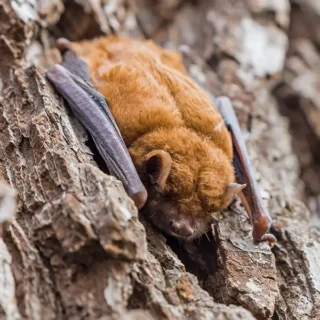
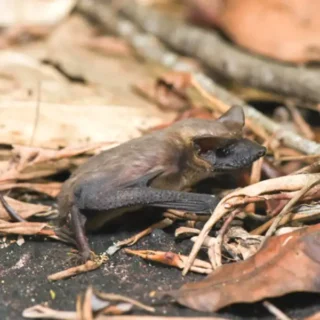
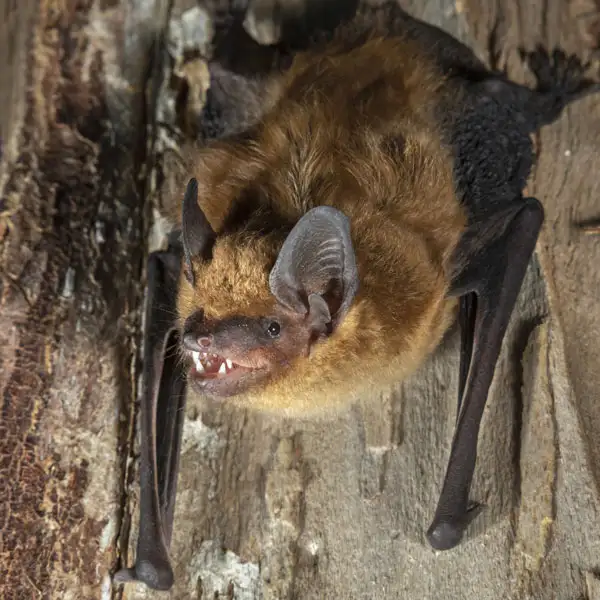
The big brown bat is among the largest bat species and is widely distributed across Virginia. These bats thrive in conditions that many other bat species struggle to endure, making them common in both urban and suburban settings, as well as wooded areas. Their diet mainly consists of beetles, which they crush with their strong jaws, though they also consume moths, flies, wasps, and flying ants. Colonies can range in size from 20 to 300 bats, and while they can live long lives, many perish during their first winter due to insufficient food during hibernation.
Big Brown Bat Habitat
Big brown bats inhabit a wide range of environments, including meadows, deserts, mountains, forests, suburbs, and urban areas. They hibernate in caves, mines, attics, walls, and other structures. Typically, they enter hibernation in November, often staying within 50 miles of their summer roosts. During hibernation, they group together in small clusters and emerge in the spring. Their ability to adapt to both natural and man-made environments makes them a common sight in many areas.
Big Brown Bat Behaviors, Threats, or Dangers
The big brown bat is a nocturnal creature that roosts in various locations during the day. Although they feed on many insects, they especially favor beetles and play a key role in controlling agricultural pests. With an average lifespan of just over six years, their main threat is their tendency to roost and hibernate in buildings, often seeking warmth in attics and walls during winter. Being carriers of disease, it’s essential to handle any encounters with extreme care. If a bat enters your home or building, never try to approach or capture it on your own.
When it comes to big brown bats, it’s best to contact a wildlife control expert for proper handling and removal.