
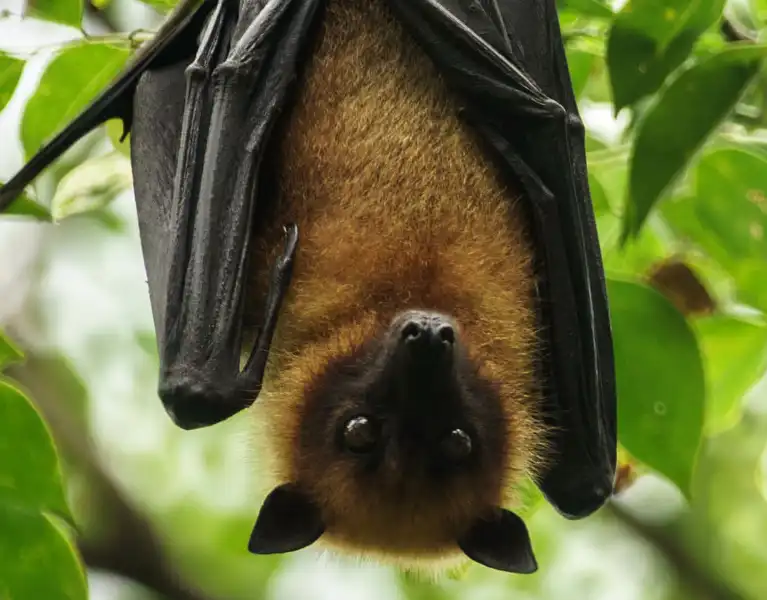
 The nocturnal nature of bats keeps most of their activities out of our sight. Working diligently under the cover of darkness devouring insects by the dozens, bats have an outsized impact on the environment around us. But to truly appreciate these creatures, it’s important to understand the bat life cycle. .
From birth to volancy to mating and hibernation, let’s dive in and talk about the bat life cycle and how it affects bat control.
How Does the Life Cycle of Bats Begin?
Bats mate in the late summer to fall in many regions, which is why they seem more active during those seasons. In more tropical regions where it stays warmer, they can put it off until the fall and winter periods.
It’s important to know that bats have many federal and local protections, especially pups and new mothers. If you have a “maternity colony” inside your structure, you can’t simply go in and force them out. There are laws against improper bat removal and exclusion – and, in most locales, they are strictly enforced.
- After mating in the late summer or fall, female bats store the sperm using a process called “delayed fertilization.” They don’t complete the fertilization until conditions are right – usually, in the spring, after they’re done hibernating. This way, pups are born during warmer months when food resources are more abundant.
- Bat gestation periods vary across species but typically ranges from 40 days to six months.
- In many species of bats, females congregate in a roosting site called a “maternity colony.” In many states, colonies are protected by “blackout dates,” typically from April to September, during which it’s unlawful to perform bat removal or exclusion or otherwise disturb them.
- Bats give birth to their young, called pups, while hanging upside down.
Need Bat Control?
How Do Baby Bats Develop?
Young bats go through a rapid development phase before they achieve complete independence.
Mother bats play a critical role in nurturing their young. Not only do they provide the pups with the essential nutrients through their milk, but they also maintain the baby’s body temperature and protect them from predators.
Roughly 50% manage to live past their first year, according to Bat World Sanctuary. If they manage to survive the first year, their survival rate increases considerably, although they still face significant threats from natural predators and harsh weather conditions.
The development of young bats is divided into various stages.
- Maternity Colony: At first, the pups are primarily dependent on their mothers for food and warmth.
- Developing Pups: As weeks go by, they begin to develop important survival skills.
- Volancy: When they’re about a month old, the pups start learning to fly. This is called “becoming volant.” Professional bat control specialists must wait until pups reach volancy before they can seal an exit to a roost or maternity colony.
- Young Adulthood: By two months old, they’re about ready to hunt for food and become independent.
How Long Do Bats Live?
Rescue organizations and researchers have put considerable efforts into studying bats’ longevity, providing us with surprisingly detailed insights into their lifespan.
- Bats have an average lifespan of 6 to 10 years, but this can vary significantly depending on several factors.
- The oldest known little brown bat is believed to have lived for 33 years, highlighting their resilience and adaptability.
- The primary factors that affect how long bats live are species variance, nutritional access, and surrounding predators.
Species Variance
The longevity of these species varies, with some species like the evening bat living for 4-6 years while others like the Brazilian free-tailed bat can live up to 8-12 years.
Nutritional Access
Bats mainly feed on insects such as moths, beetles, and mosquitoes. Their diet, rich in protein, helps in their growth and sustenance. However, competition for food can lead to shorter lifespans in areas with high bat populations.
Predator Impact
Predators also contribute to the lifespan of bats in Central Florida. Birds of prey, snakes, and mammals like raccoons and cats are known to prey on these creatures, especially the young and weak.
Bat Lifespans – At a Glance
| Bat Species | Average Lifespan (Wild) | Max Recorded Age | Notable Traits |
| Little Brown Bat | 6–7 years | 33 years | Extremely long-lived relative to its tiny size. |
| Big Brown Bat | 6–9 years | 19–20 years | Often the species people find in their homes. |
| Mexican/Brazilian Free-tailed Bat | 8–11 years | 18 years | High-speed flyers; form the largest colonies. |
| Evening Bat | 4–6 years | 9 years | Shorter lifespan; looks like a small Big Brown bat. |
| Southern Yellow Bat | 5–8 years | 10+ years | Prefers Spanish moss or dead palm fronds for roosting. |
What Threats Do Bats Face During their Lifespan?
Adequately understanding the threats bats face is essential to their preservation. Let’s delve into the most prominent hazards: predators, human activities, climate change, and White-Nose Syndrome.
Predators
Bat populations can easily withstand natural predators like birds of prey and snakes. But in urban and suburban areas, additional threats from household pets like cats present an existential danger.
Human Impact
Human activities have an immense impact on the life cycle of bats. Rapid urbanization has led to the destruction of their natural habitats, forcing these bats into tighter living quarters and increasing competition for food and space.
Climate Change Effects
Climate change is another significant threat to the bat population. Changes in temperature and rainfall patterns affect the number of insects, altering the food supply for bats. Bats are also vulnerable to heat waves and cold snaps that can cause sudden population declines.
White-Nose Syndrome
White-Nose Syndrome is a rapidly spreading fungal disease that’s devastating bat populations across the United States. Afflicted bats wake up early during their hibernation, causing them to burn through their winter fat stores before spring food abundance has arrived. Many bats starve and die because of this.
What Should You Do If You Find a Bat on Your Property?
Bat control is heavily regulated. While not every bat species is federally protected, the combination of state, federal, and local laws in most places make it effectively illegal to handle a bat infestation on your own.
Those regulations, plus the risk of exposing yourself to hazardous germs and bacteria, mean this is a job for the professionals.
- If you have a bat on your property, don’t try to handle it yourself. There are significant disease risks that come from interacting with bats, or coming in contact with their guano, and unless you’re an expert, understanding bat removal regulations can be a challenge.
- It’s illegal to disturb maternity colonies during blackout dates, typically from April to September. Not even licensed bat removal specialists are allowed to do bat removal or bat exclusion on a maternity colony during a blackout period.
- Call our bat specialist instead. We specialize in humane and fully-compliant bat removal services. To remain compliant with all relevant laws, most bat removal doesn’t involve physical removal. Our technicians install one-way doors over potential entry/exit points, allowing the bats to leave on their own but not come back inside. Once it’s confirmed the bats have vacated the structure, we’ll fully seal all entry points.
- We also offer expert bat removal services to help prevent future issues. This is a crucial step because, once bats choose a roosting site, they’re much more likely to return in subsequent seasons.
Ready to get started with safe, humane, and legally compliant bat removal and exclusion? Call Xceptional Wildlife Removal today to schedule your inspection.


